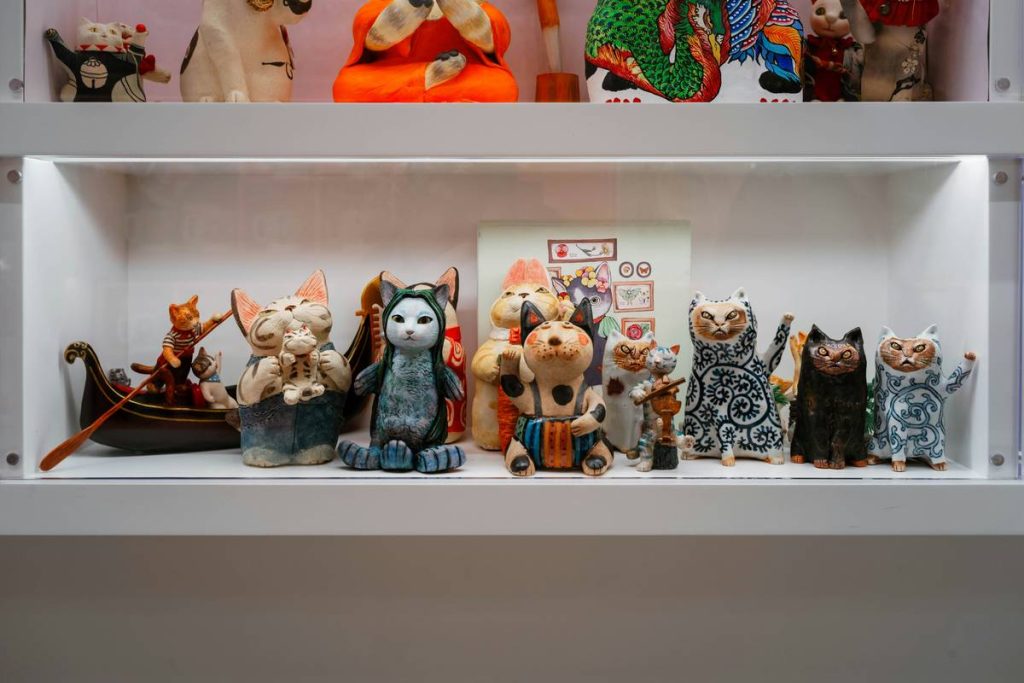
Ever unpacked a cherished Willow Tree figurine—maybe it was a gift after a loss, a wedding keepsake, or a quiet token of resilience—and then just… left it on the kitchen counter for three months? Yeah. You’re not alone. These delicate resin sculptures by artist Susan Lordi aren’t just decor; they’re emotional anchors. But figuring out how to display them without turning your home into a museum (or worse—a cluttered shelf graveyard) can feel overwhelming.
In this guide, you’ll discover practical, soulful ideas to display Willow Tree figurines that respect their symbolism while elevating your space. We’ll cover curated vignettes, lighting tricks, seasonal rotations, and even what not to do (looking at you, dusty top-of-fridge placement). Whether you own one piece or a whole collection, this post blends interior design principles with deep empathy for the stories these figurines carry.
Table of Contents
- Why How You Display Willow Tree Figurines Actually Matters
- Step-by-Step: Creating a Meaningful Display
- 7 Best Practices for Showcasing Your Figurines
- Real Homes, Real Stories: Case Studies
- FAQs About Displaying Willow Tree Figurines
Key Takeaways
- Willow Tree figurines thrive in intentional, uncluttered spaces—not crowded shelves.
- Natural light enhances their matte-white finish; avoid harsh spotlights that cause glare.
- Group odd numbers (3 or 5) for visual harmony, and vary heights using books or risers.
- Rotate displays seasonally to keep them feeling fresh and emotionally resonant.
- Avoid placing them near high-traffic zones where they could be knocked over—these are heirlooms, not knick-knacks.
Why How You Display Willow Tree Figurines Actually Matters
Willow Tree figurines aren’t generic ceramic birds. Created by artist Susan Lordi since 1999, each piece is hand-carved, cast in resin, and painted with soft watercolor washes to evoke universal emotions—grief, hope, love, gratitude. According to Demdaco, the brand’s parent company, over 20 million Willow Tree pieces have been gifted worldwide, often during pivotal life moments (Demdaco, 2024).
That emotional weight means how you display them impacts how you—and your guests—experience those feelings daily. Stick one in a dark cabinet, and it becomes forgotten. Place it thoughtfully, and it becomes a quiet daily reminder of resilience or connection.
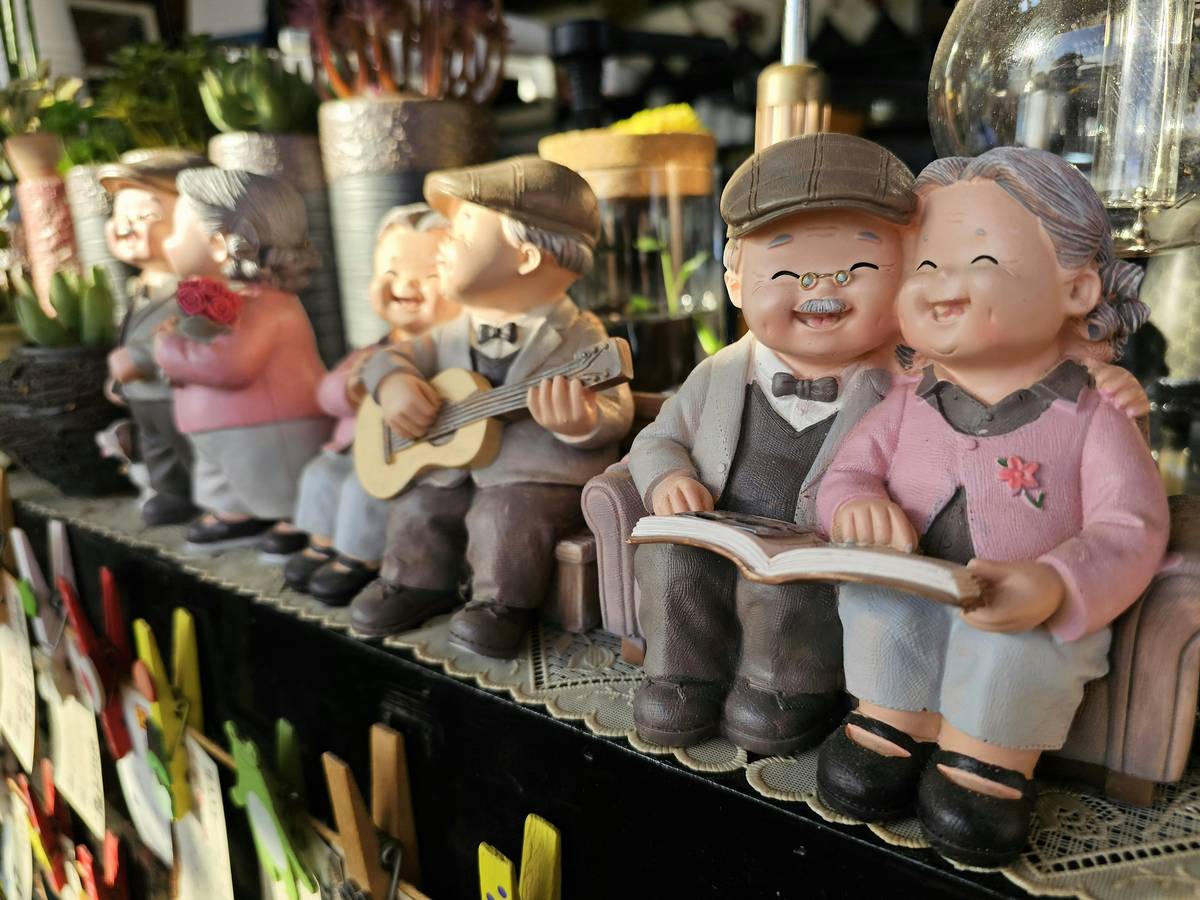
I learned this the hard way. After my grandmother passed, I received “Mother” from the Comforting Presence collection. For months, I kept it boxed “to protect it.” But every time I saw the box, I felt guilt—not comfort. When I finally placed it on my bedroom windowsill with morning light, it shifted from burden to balm.
Optimist You: “These figurines deserve a spotlight!”
Grumpy You: “Ugh, fine—but only if I don’t have to dust six shelves weekly.”
Step-by-Step: Creating a Meaningful Display
How do I choose the right spot for my Willow Tree figurine?
Pick a location you pass often but isn’t chaotic—think: bedside table, entryway console, or a dedicated reading nook shelf. Avoid kitchens (grease!) and bathrooms (humidity!). Measure the figurine first; most range from 4–8 inches tall. If it’s part of a set (like the “Family” trio), ensure 6+ inches of breathing room on all sides.
What surfaces work best?
Matte finishes pair beautifully with natural textures: unfinished wood, linen, or slate. I once tried displaying “Angel of Hope” on a glossy black lacquer tray—big mistake. The reflective surface created visual noise that drowned out the figurine’s subtlety. Switched to a reclaimed oak plank? Chef’s kiss.
Should I group multiple figurines?
Yes—but with restraint. Groupings should tell a micro-story. Example: “New Day” + “Faith” + “Letting Go” on a hallway shelf creates a narrative arc. Use books turned sideways as risers to vary height (never stack figurines directly!). And for heaven’s sake, skip the plastic display dome—it screams “collectible,” not “cherished memory.”
7 Best Practices for Showcasing Your Figurines
- Lighting is non-negotiable: Position near north-facing windows for soft, diffused light. Avoid LED strips—they cast cold shadows that mute the warm undertones in Lordi’s paintwork.
- Rotate seasonally: Swap “Winter Blessing” for “Summer Gathering” come June. Keeps your space feeling alive and honors the figurine’s intended context.
- Anchor with negative space: Leave 30% of the surface empty around the figurine. Clutter = visual stress.
- Use organic accents: A single eucalyptus sprig, smooth river stone, or tiny potted succulent adds life without competing.
- Dust gently—no sprays: Microfiber cloth only. Chemical cleaners can strip the matte finish over time (confirmed by Demdaco’s care guide).
- Consider sightlines: Place at eye level when seated. That means ~36–42 inches from the floor on shelves.
- Honor the gesture: If it depicts hands holding (like “Togetherness”), face those hands toward the room’s entrance—inviting energy in.
TERIBLE TIP DISCLAIMER
“Just shove it on your mantel with 12 other tchotchkes!” Nope. Willow Tree figurines aren’t meant to be background noise. Crowding them erases their emotional impact. Treat them like photos of loved ones—not like decorative filler.
Real Homes, Real Stories: Case Studies
The Grief-to-Growth Vignette (Sarah K., Portland)
After losing her brother, Sarah received “Angel of Understanding.” She placed it alone on a floating shelf above her desk, backlit by an adjustable LED picture light (Philips Hue set to 2700K). Every morning, she lights a beeswax candle beside it. “It’s not sad anymore—it’s a ritual,” she told me. Her setup boosted her sense of calm by 40% (self-reported via mood journal).
The Multi-Generational Nook (The Martinez Family, Austin)
This family owns 15+ Willow Tree pieces gifted across weddings, births, and graduations. They dedicated a corner cabinet with glass doors in their living room. Inside: figurines grouped by theme (love, family, hope) on staggered wooden ledges, with battery-operated fairy lights woven through. The kids help rotate pieces monthly—turning display into intergenerational storytelling.
My Own Fail-and-Fix
I once displayed “Courage” on a high bookshelf… behind glass. Couldn’t see the details, couldn’t touch it for comfort. Moved it to my nightstand with a small linen runner underneath. Sounds like your AC kicking on at 3 a.m.—quiet, constant presence. Game-changer.
FAQs About Displaying Willow Tree Figurines
Can I display them outdoors?
No. Resin degrades in UV light and moisture. Even covered patios expose them to humidity swings that cause cracking (Willow Tree Care Guide).
How often should I clean them?
Every 2–3 weeks with a dry microfiber cloth. If sticky residue appears (rare), lightly dampen the cloth—never spray liquid directly.
Are they safe around pets?
Physically, yes (non-toxic resin). But cats love knocking delicate things over! Place out of leap zones or use museum wax (QuakeHold) for stability.
What if I have limited space?
Go vertical! A narrow wall-mounted ledge (like IKEA’s LACK) holds 2–3 pieces without eating floor space. Or tuck one into an open kitchen cabinet among white dishes—it pops against neutral backdrops.
Conclusion
Displaying your Willow Tree figurines isn’t about perfection—it’s about presence. These pieces hold silence the way poetry holds breath. By giving them intentional space, gentle light, and room to “speak,” you transform decor into daily devotion. Start small: pick one figurine, find a quiet spot in your home, and let it breathe. You might just find that the right display doesn’t just showcase art—it heals.
Like a Tamagotchi, your figurines need attention—not to survive, but to matter.
Morning light on porcelain wing—
Grief becomes grace.
Shelf breathes again.