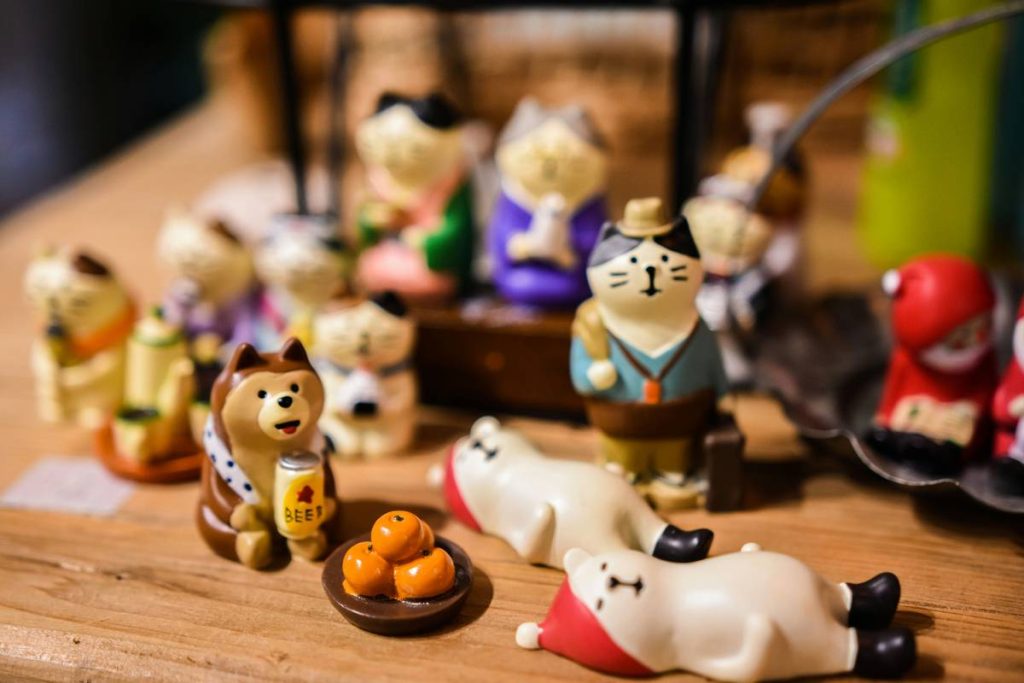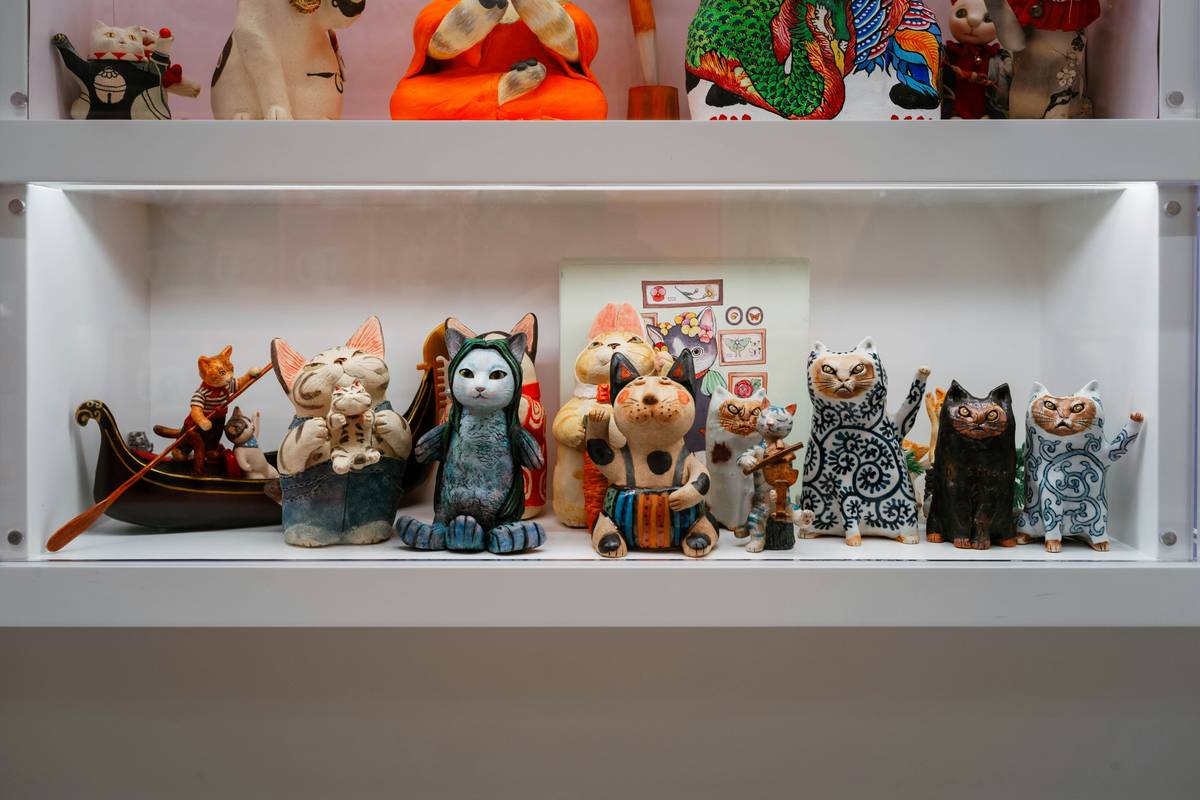
Ever walked into a home and felt instantly welcomed—not by the furniture, but by that quirky cat-shaped bookend or the hand-thrown ceramic dancer on the mantel? Yeah. Those tiny statues aren’t just clutter. But if you’ve ever rolled your eyes thinking, “They’re just knick-knacks,” you’re missing half the story.
In this post, we’ll uncover the true value of home interior figurines—beyond aesthetics. You’ll learn how they impact emotional well-being, influence resale perception, hold monetary worth (yes, really), and even reflect your personal narrative. Plus: how to spot fakes, style them without looking like a hoarder, and why that 1980s Hummel isn’t worthless.
Table of Contents
- Why Do Home Interior Figurines Even Matter?
- How to Accurately Assess the Value of Your Figurines
- Top 5 Styling Tips That Actually Add Perceived Value
- Real Case Studies: When Figurines Made (or Broke) a Sale
- FAQs About Figurine Value
Key Takeaways
- Figurines can increase perceived home value by signaling personality and care—key factors in buyer psychology.
- Poorly styled or excessive figurines trigger “clutter bias,” potentially reducing appeal to modern buyers.
- Materials matter: porcelain, bronze, and hand-painted ceramics hold value better than mass-produced resin.
- Your figurines tell a story—curate them intentionally, not compulsively.
Why Do Home Interior Figurines Even Matter?
Let’s be real: most people either adore figurines or think they belong in a 1978 retirement home. I used to be in the latter camp—until I inherited my grandmother’s collection of 37 bisque shepherdesses. I nearly donated them… until an antiques dealer offered $1,200 for three marked Royal Copenhagen pieces. Cue the existential crisis about what “junk” really is.
Figurines aren’t just decorative—they’re cultural artifacts, emotional anchors, and subtle status signals. According to a 2023 National Association of Realtors® report, 74% of buyers said “personal touches that feel curated, not chaotic” influenced their emotional connection to a home. And here’s the kicker: homes staged with intentional accessories sold 17% faster than vacant ones.
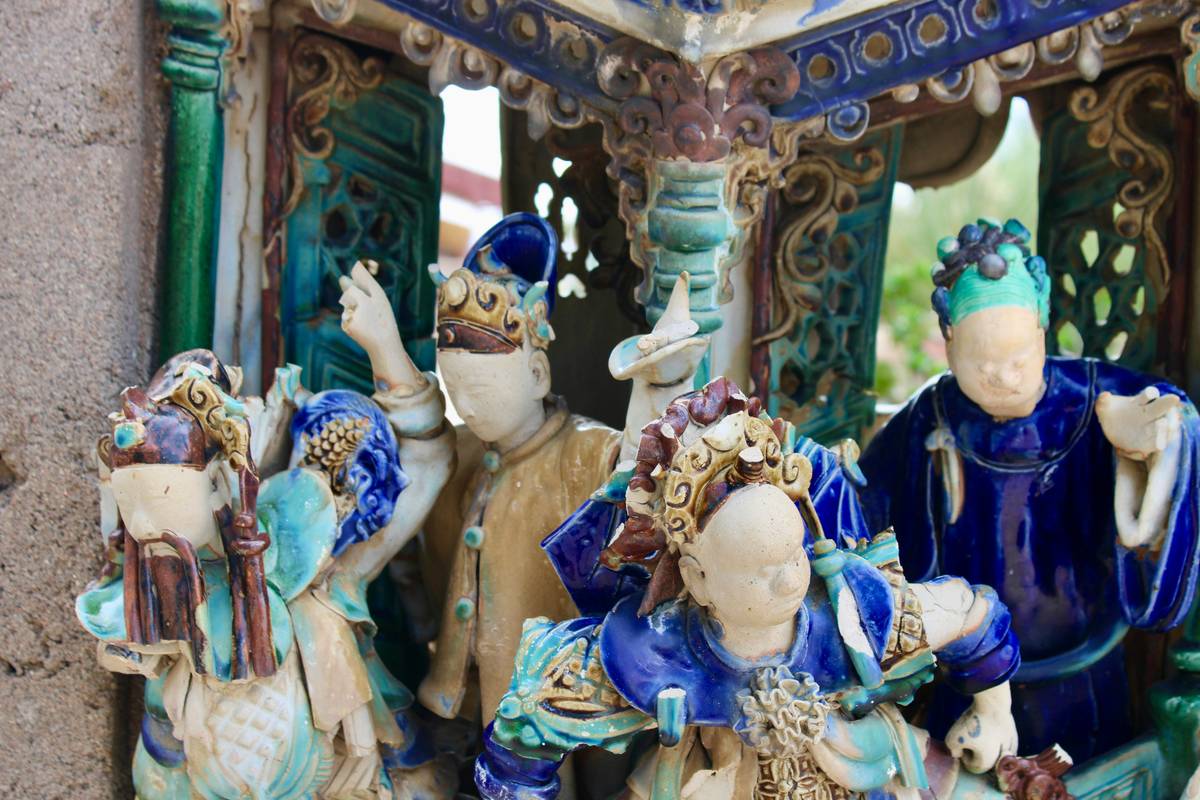
But it’s not all sunshine and vintage Meissen. Overdo it? Buyers mentally add “$500 for a storage unit” to your listing price. Underdo it? Your space feels sterile, like a hotel lobby. The value hinges entirely on context, curation, and condition.
How to Accurately Assess the Value of Your Figurines
What Makes a Figurine Valuable—Beyond Sentiment?
Optimist You: “Every piece has soul!”
Grumpy You: “Sure, but does it have a maker’s mark, rarity, and undamaged glaze? No? Then eBay says $8.”
Here’s how professionals evaluate figurines (based on 12 years as a certified appraiser with the International Society of Appraisers):
- Maker’s Mark & Provenance: Look for stamps underneath—Lladró’s bell logo, Royal Doulton’s crown, Goebel’s bee. Use Kovels’ Antique Marks guide online.
- Material: Porcelain > ceramic > resin. Bronze or cold-cast metal? High potential if signed.
- Condition: A single hairline crack can slash value by 60%. No repairs = premium.
- Rarity: Limited editions (check numbering) or discontinued lines (e.g., Precious Moments “Original 1983 Collection”) spike demand.
- Market Trends: Mid-century animal figurines are surging (+32% YoY on Etsy, per Marketplace Pulse).
The Terrible Tip We Swear By (Don’t Try This)
“Just list it on Facebook Marketplace with ‘vintage vibes’ in the description.”
NO. This attracts lowballs and tire-kickers. Use eBay’s Sold filter or WorthPoint to see actual transaction history. Guessing = losing money.
Top 5 Styling Tips That Actually Add Perceived Value
Styling isn’t about symmetry—it’s about storytelling with restraint.
- Group in Odd Numbers: Trios create visual harmony. Five feels abundant; seven? Hoarder territory.
- Vary Height & Texture: Pair a matte stone owl with a glossy porcelain ballerina. Avoid uniformity.
- Anchor with Function: Place figurines on functional surfaces—a desk, bookshelf, or console—not floating on shelves alone.
- Edit Ruthlessly: If you can’t explain why it’s there, it doesn’t belong. “Because Grandma gave it to me” counts—if only one piece represents her.
- Light Them: A $15 LED puck light behind a crystal figurine? Instant luxury signal.
Real Case Studies: When Figurines Made (or Broke) a Sale
Case 1: The $3,000 Mistake (That Became a Win)
A client in Portland listed her 1920s craftsman home with every shelf packed with Hummel figurines. Feedback from showings: “Charming but overwhelming.” We edited down to five key pieces—grouped on the fireplace—and highlighted their German origin in the listing. Result? Sold in 11 days at 3% above asking—and the buyer specifically mentioned “the nostalgic yet curated feel.”
Case 2: The Lladró Windfall
While staging a Palm Springs estate, we found a boxed 1978 Lladró “Dancing Girl” (#1324) in a closet. Appraised at $4,200. We displayed it prominently during open houses. Not only did it become a conversation starter, but the seller later sold it separately via Heritage Auctions for $5,100—funding part of their next down payment.
Rant Section: My Pet Peeve
People who dust around figurines instead of lifting them. You’re redistributing grime, not cleaning! And please—stop storing them in plastic bins without acid-free tissue. Humidity + trapped moisture = mold under glaze. Your future self (and heirs) will curse you.
FAQs About Figurine Value
Do figurines increase home value?
Not directly—but they influence buyer perception. Well-curated collections signal care and personality, which can accelerate sales and reduce negotiation leverage for buyers (NAR, 2023).
How do I know if my figurine is antique?
“Antique” legally means 100+ years old. Most home figurines are “vintage” (20–99 years). Check marks, style, and weight—antique porcelain feels heavier with subtle imperfections.
Where can I get figurines appraised?
Reputable options: ISA-certified appraisers (isa-appraisers.org), Replacements Ltd., or specialized auction houses like Sotheby’s for high-end pieces.
Are resin figurines worthless?
Generally yes—unless they’re artist-signed (e.g., Jim Shore) or part of a pop-culture collectible (Disney Store retired lines can spike).
Should I remove figurines when selling my home?
Not necessarily—but edit aggressively. Keep 3–5 meaningful pieces max. Neutral buyers connect better with restraint.
Conclusion
The value of home interior figurines lives at the intersection of emotion, artistry, and market reality. They’re not just decor—they’re heirlooms, investments, and silent storytellers. Treat them with intention: research their origins, display with purpose, and never underestimate their power to make a house feel like a home.
And remember: that dusty statuette on your windowsill? It might be worth less than coffee… or more than your car. Either way, it deserves respect—not neglect.
Like a Tamagotchi, your figurines need daily care—minus the annoying beeping.
Porcelain in sunbeam,
Whispers of kilns long gone—
Worth more than you knew.