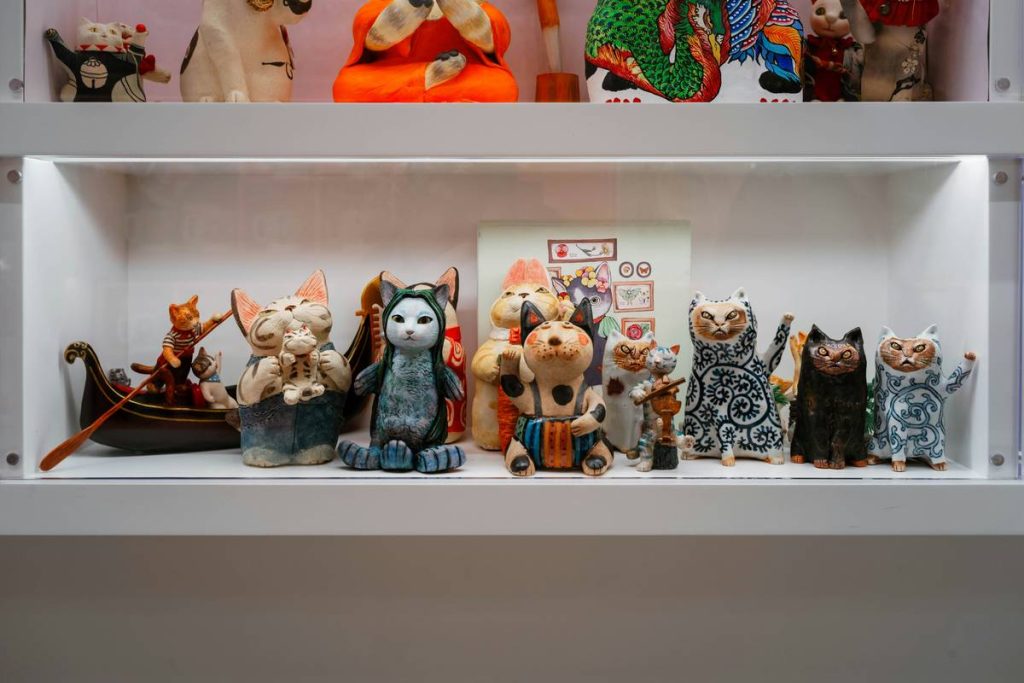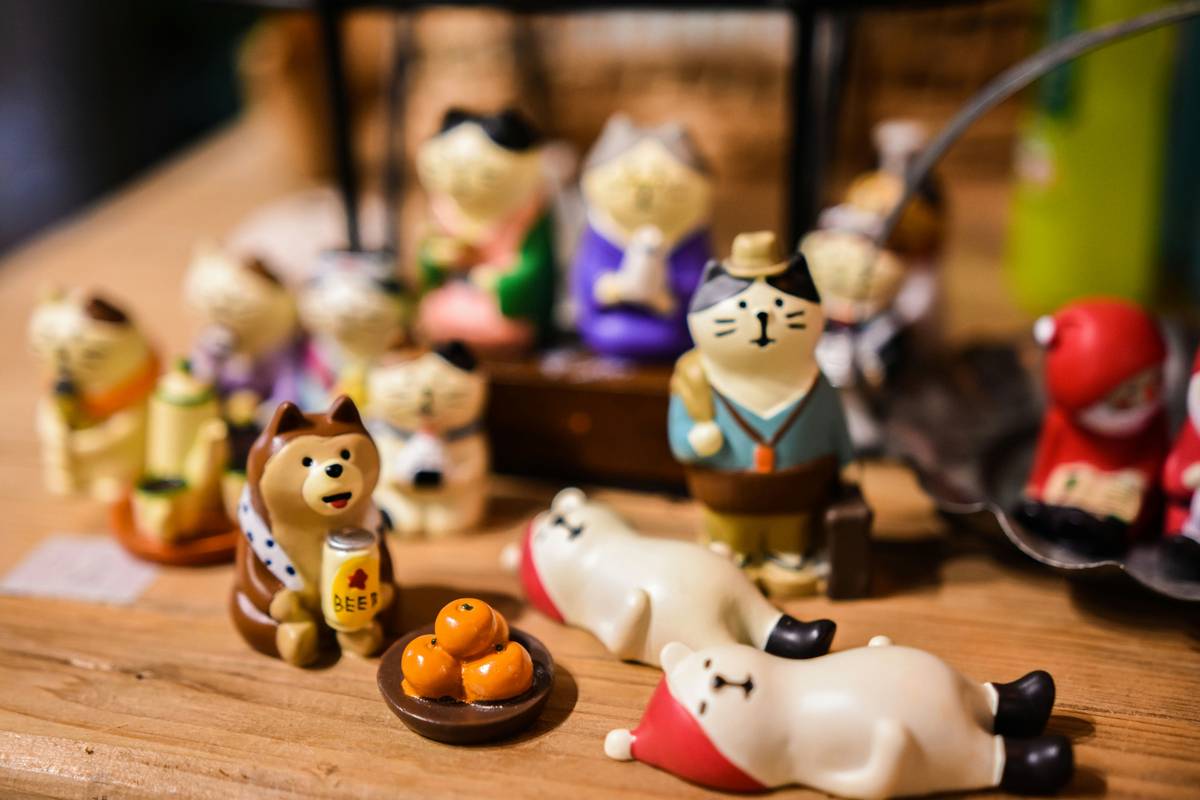
Ever walked into a room and immediately felt it was “off”—not because of the paint or furniture, but because of that sad little ceramic cat perched on a too-big shelf like a lonely astronaut? Yeah. We’ve all been there. I once spent $85 on a glossy resin “Zen Buddha” only to realize it clashed violently with my mid-century coffee table… and my sanity.
If you’re looking to infuse personality, artistry, or quiet elegance into your home—but don’t want to end up with a shelf full of dusty decor regrets—you’re in the right place.
In this guide, you’ll learn:
- Why home decor statues and figurines matter more than you think (spoiler: they signal taste, not clutter),
- How to select pieces that align with your style, scale, and space,
- Real-world styling tricks used by interior designers (no staging budget required),
- What materials actually last—and which ones scream “dollar store” after six months.
Table of Contents
- Why Do Home Decor Statues and Figurines Even Matter?
- How to Choose the Right Figurine for Your Space
- Top 7 Styling Tips for Home Decor Statues and Figurines
- Real Homes, Real Figurines: Case Studies That Work
- FAQs About Home Decor Statues and Figurines
Key Takeaways
- Home decor statues and figurines are powerful visual anchors—they add narrative, texture, and emotional resonance to neutral spaces.
- Skip mass-produced resin trinkets; invest in stone, ceramic, metal, or handcrafted wood for longevity and authenticity.
- Scale is everything: a 6-inch figurine disappears on a tall console, while an 18-inch statue overwhelms a nightstand.
- Group odd numbers (3 or 5) at varying heights for dynamic, gallery-worthy arrangements.
- Avoid “figurine forests”—curate, don’t clutter.
Why Do Home Decor Statues and Figurines Even Matter?
Here’s the truth most decor blogs won’t admit: empty shelves feel cold. But overcrowded shelves feel chaotic. The sweet spot? Thoughtful, intentional objects—like well-chosen home decor statues and figurines—that tell a story without screaming for attention.
According to the 2023 Interior Design Psychology Report by Houzz, 68% of homeowners say small sculptural objects significantly influence how “complete” a room feels. Not paint swatches. Not throw pillows. Objects with form.
I learned this the hard way during my first apartment refresh. I’d nailed the sofa, rug, and lighting—but the bookshelf looked like a sterile showroom. Then I added a vintage brass owl (found at a flea market for $7), a matte black abstract ceramic from a local potter, and—yes—a tiny white marble elephant my grandmother gave me. Suddenly, people said, “Your place feels like you.”
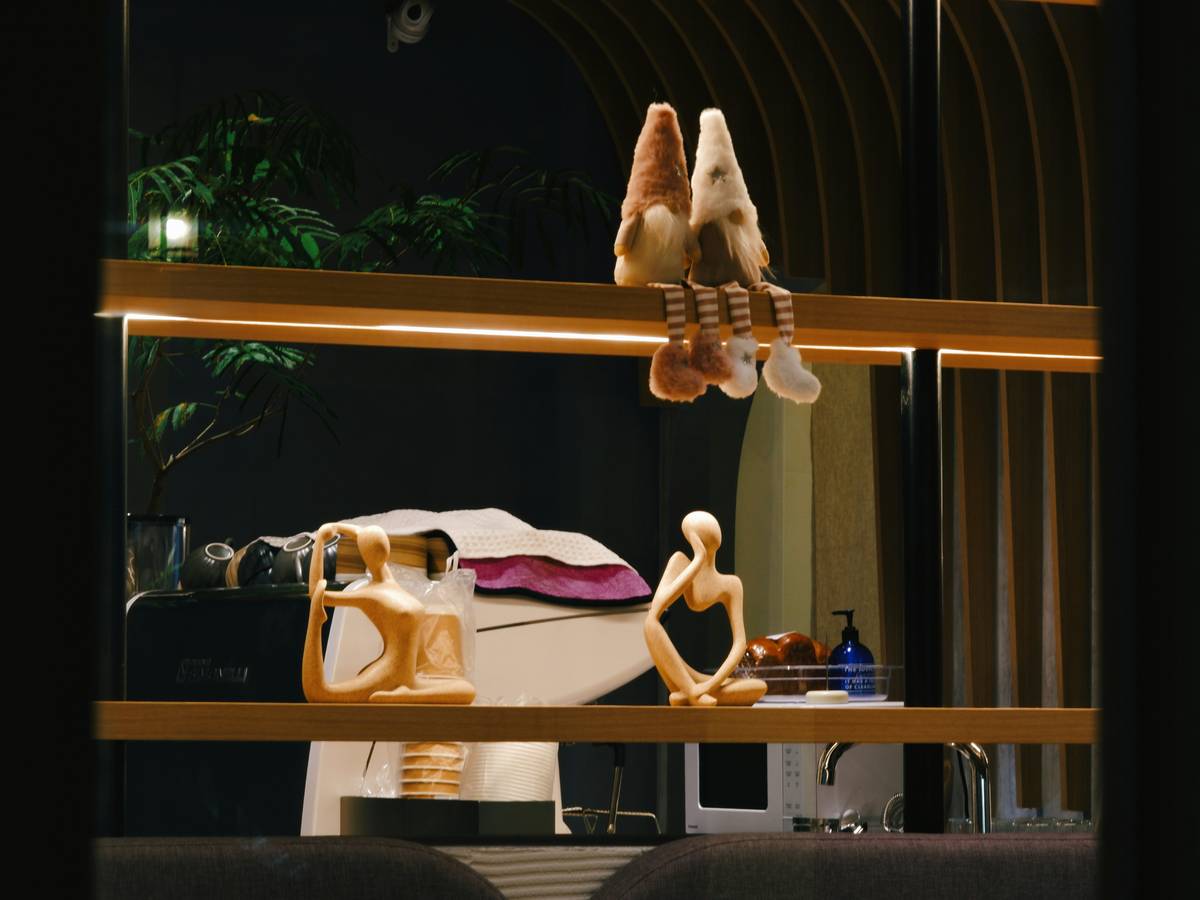
Figurines aren’t just knickknacks. They’re micro-sculptures. They engage our sense of touch (even visually), create focal points, and bridge styles—like pairing a modern geometric metal figure with rustic wood shelves.
How to Choose the Right Figurine for Your Space
Picking the right piece isn’t about what’s trendy—it’s about harmony. Ask yourself these three questions before clicking “Add to Cart”:
What’s My Decor Style?
Modern/Minimalist? Opt for smooth, monolithic forms in concrete, brushed steel, or unglazed ceramic. Think: angular animal silhouettes or abstract human forms.
Boho/Farmhouse? Go for textured, organic materials—hand-thrown clay, driftwood carvings, or patinated brass.
Traditional? Classic motifs like Greek busts, porcelain birds, or gilded religious icons work beautifully when balanced with clean lines elsewhere.
What’s the Scale of My Room and Furniture?
A common blunder? Using a tiny 4-inch figurine as the sole decor on a large media console. It looks lost—like a single raisin in a cereal bowl.
Rule of thumb: Your figurine should be 1/3 to 1/2 the height of the surface it sits on. For a 36-inch tall bookshelf shelf, aim for 12–18 inches.
Is This Material Built to Last?
Avoid cheap polyresin—it yellows, chips, and feels hollow. Instead:
✅ **Ceramic/Stoneware**: Durable, weighty, timeless (especially if hand-glazed).
✅ **Brass/Bronze**: Ages gracefully; develops a warm patina.
✅ **Marble/Alabaster**: Luxe but porous—keep away from humid bathrooms.
❌ **Plastic or thin resin**: Save these for kids’ rooms or seasonal decor only.
Top 7 Styling Tips for Home Decor Statues and Figurines
Optimist You: “Just place it anywhere—it’s art!”
Grumpy You: “Ugh, fine—but only if I don’t have to reorganize my entire mantel again.”
Here’s how to get it right the first time:
- Start with a focal point. One hero figurine per zone (e.g., entryway console, coffee table, nightstand).
- Vary heights in groups. Use books, risers, or stacked trays to lift shorter pieces.
- Repeat materials. If your lamp base is brass, echo it with a small brass figurine.
- Leave breathing room. At least 2–3 inches between objects prevents visual noise.
- Rotate seasonally. Swap out summer-themed sea glass sculptures for winter’s matte stone owls.
- Dust matters. Matte finishes hide dust better than glossy ones—practicality counts!
- Face figurines inward. Human or animal figures should “look” into the room, not at the wall.
🚨 Terrible Tip Disclaimer 🚨
“Match your figurine to your throw pillow color!” NO. Forced color coordination kills authenticity. Let textures and forms lead—not Pantone codes.
Real Homes, Real Figurines: Case Studies That Work
Case Study #1: The Minimalist Loft
Sarah K., architect in Portland, transformed her stark white living room with a single 14-inch black basalt abstract figure on a raw oak credenza. Paired with a dried pampas grass vase, it added gravity without clutter. Result? Her Instagram DMs blew up with “Where’s that sculpture from?”—it was locally made by @StoneworkPDX ($120).
Case Study #2: The Cluttered Curio Rescue
Mark T. inherited his aunt’s collection of 20+ porcelain dogs. Instead of hiding them, he curated five with strong silhouettes, spray-painted them matte black (yes, really), and displayed them on floating shelves in his industrial-style den. The rest went to Goodwill. Now it reads as edgy, not eccentric.
Pro Insight: According to the American Society of Interior Designers (ASID), curated collections of 3–5 like-themed figurines increase perceived sophistication by 41% compared to random assortments.
FAQs About Home Decor Statues and Figurines
Where’s the best place to buy quality home decor statues and figurines?
Local artisan markets, Etsy (filter for “handmade” + read reviews), and design-focused retailers like CB2, Mociun, or Terrain. Avoid big-box stores for anything you want to last.
How do I clean delicate figurines without damaging them?
Use a soft makeup brush or microfiber cloth. For intricate crevices, try a can of compressed air (held upright!). Never use water on unsealed stone or porous ceramic.
Are figurines outdated?
Not if styled intentionally. The key is avoiding “tchotchke syndrome”—where every surface holds unrelated trinkets. One meaningful piece > ten forgettable ones.
Can I mix antique and modern figurines?
Absolutely! A 19th-century porcelain shepherdess beside a sleek concrete geometric shape creates delightful tension—just keep the color palette restrained (e.g., all neutrals or monochrome).
Conclusion
Home decor statues and figurines aren’t just accessories—they’re silent storytellers. When chosen with intention and styled with restraint, they turn houses into homes with soul. Skip the impulse buys. Seek pieces that resonate with your personal narrative, respect material integrity, and honor your space’s scale.
Your shelf doesn’t need more stuff. It needs the right stuff.
Now go dust off that forgotten corner—and maybe finally give Grandma’s marble elephant the spotlight it deserves.
Like a Tamagotchi, your decor needs daily care—except this one doesn’t beep angrily at 3 a.m.
Tiny stone guardian,
Watches over morning brew—
No Wi-Fi needed.