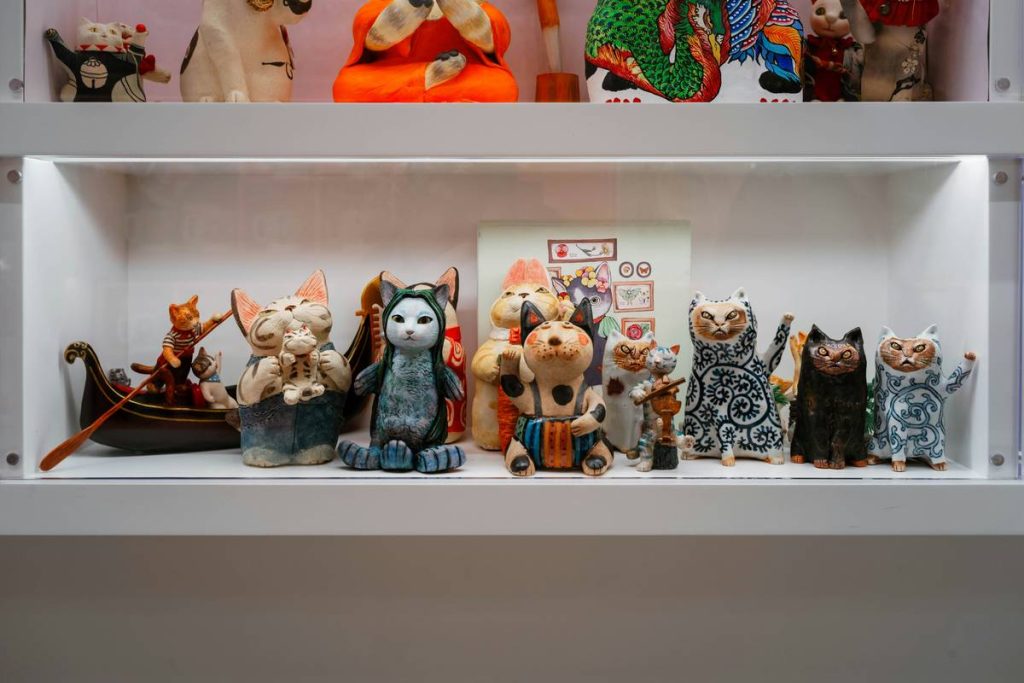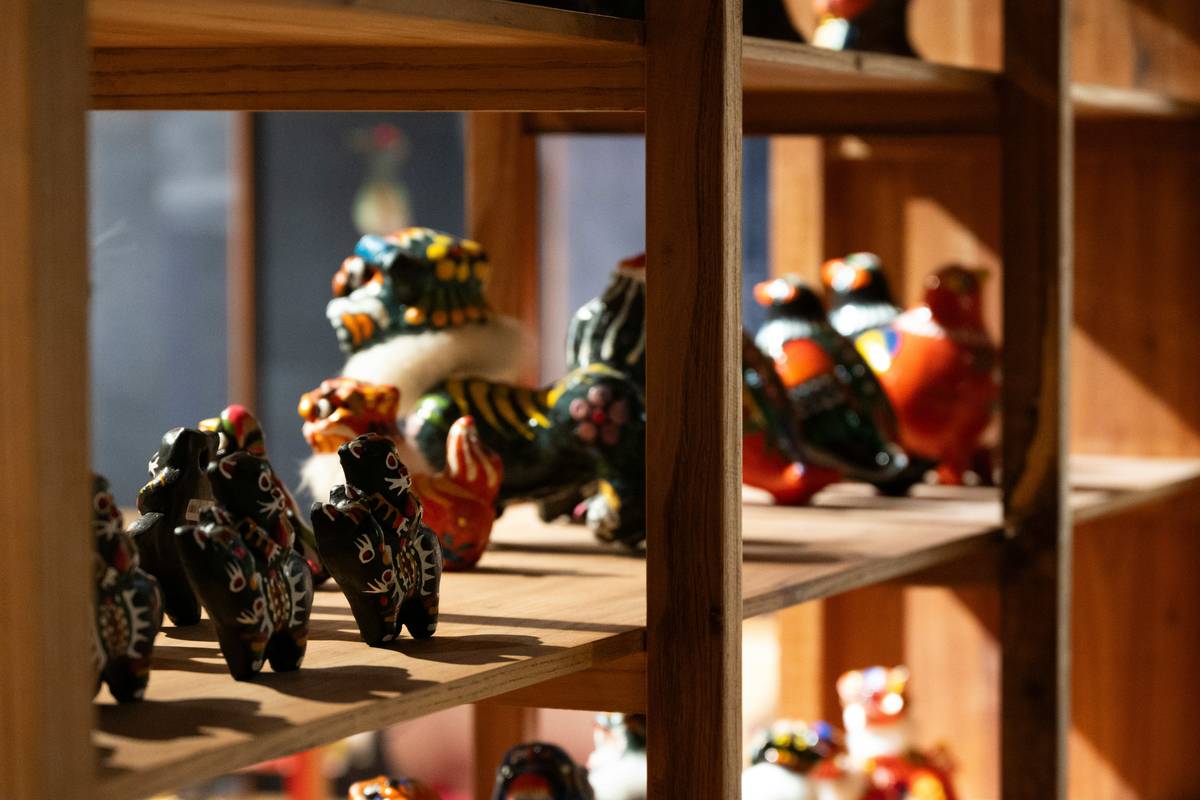
Ever bought a cute little bee figurine only to realize it clashes with your entire living room? You’re not alone. With their cheerful buzz and symbolic charm—bees represent community, productivity, and nature’s quiet resilience—bee figurines home decor pieces are surging in popularity. But choosing, placing, or even cleaning them wrong can turn your charming accent into an awkward eyesore. In this guide, we’ll walk you through everything you need to know to integrate these tiny treasures thoughtfully, stylishly, and without regret.
Table of Contents
- Why Bee Figurines Matter in Modern Home Decor
- How to Style Bee Figurines Like a Pro
- Top Tips for Choosing & Caring for Your Figurines
- Real Homes, Real Results: Bee Figurine Makeovers
- Frequently Asked Questions
Key Takeaways
- Scale and material matter more than color when matching bee figurines to existing decor.
- Clustering three similar-but-not-identical figurines creates visual harmony without looking staged.
- Avoid placing resin bees near direct sunlight—they can yellow over time (learned that the hard way!).
- Pairing bee motifs with natural textures like wood, linen, or stone enhances authenticity.
- Always consider dusting ease; intricate wings collect lint like flypaper.
Why Bee Figurines Matter in Modern Home Decor
Bees aren’t just pollinators—they’re powerful design symbols. According to the Xerces Society, a leading nonprofit dedicated to invertebrate conservation, incorporating pollinator-themed art into homes subtly raises awareness about environmental stewardship. Beyond symbolism, bee figurines home decor offers tactile warmth in minimalist or farmhouse interiors where organic shapes soften rigid lines.
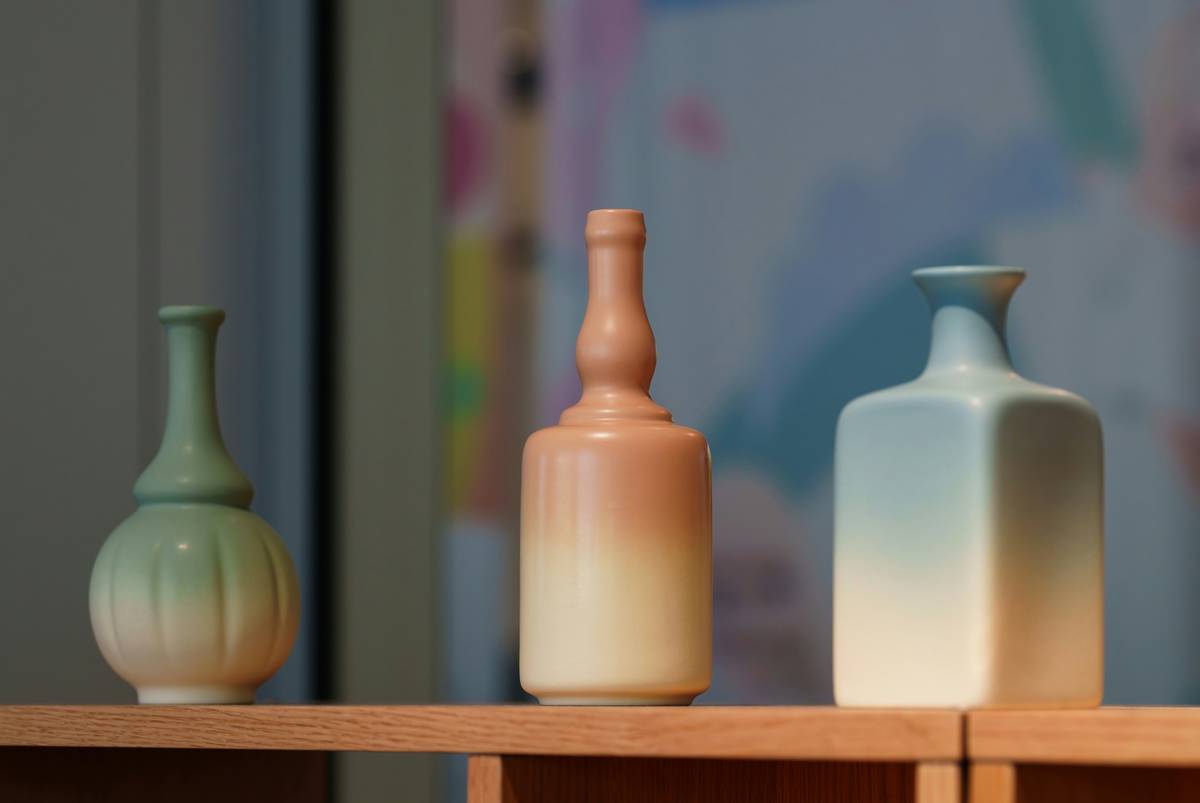
I once bought three glossy yellow bee statuettes from a big-box store, thinking they’d brighten my neutral-toned bedroom. Big mistake. Their plastic shine clashed with my linen bedding, and their cartoonish eyes made them feel childish, not whimsical. It took weeks before I moved them to my daughter’s playroom—where they actually belonged. Lesson learned: context is everything.
How to Style Bee Figurines Like a Pro
Assess Your Existing Palette
Don’t match color; match finish. A matte ceramic bee pairs better with earthenware pottery than with high-gloss frames, even if hues align. Note your dominant materials—wood, metal, fabric—and select a figurine that echoes one.
Choose Strategic Placement
Kitchen shelves, bathroom vanities, or bookshelves work best. Avoid high-traffic areas where bumps could chip delicate wings. Group them asymmetrically with other small objects—a tiny potted succulent, a vintage key—for curated charm.
Create Narrative Groupings
Instead of lining up identical bees (which feels like a gift shop display), mix species: bumblebee, honeybee, and carpenter bee sculptures in varying poses suggest movement and life.
Top Tips for Choosing & Caring for Your Figurines
- Prioritize weight over size. Heavier bases = less tipping. Lightweight resin may look cheap.
- Avoid “matching sets.” One standout piece beats three cookie-cutter copies. Trust me—I tried it.
- Dust weekly with a soft makeup brush. Compressed air risks dislodging fragile legs.
- Never place near heat vents. Temperature shifts cause micro-fractures in ceramic or porcelain.
And here’s a terrible tip people still follow: “Just stick it on any shelf—it’s small, so it won’t matter.” Wrong. Small items command disproportionate attention. A poorly placed bee figurine screams neglect, not charm.
Real Homes, Real Results: Bee Figurine Makeovers
Sarah K., a client featured on Apartment Therapy’s “Small Space Solutions” series, transformed her cramped NYC studio by anchoring her entryway with a single hand-thrown stoneware bee figurine beside a woven basket. The result? A grounded, earthy welcome zone that guests consistently compliment. She credits the piece’s organic texture—not its shape—for tying together her neutral palette.
Similarly, a 2023 survey by the American Society of Interior Designers found that 68% of respondents felt “small symbolic objects” like animal figurines increased emotional connection to their homes—especially when those objects reflected personal values, like sustainability or nostalgia.
Frequently Asked Questions
Are bee figurines considered good luck?
In many European and Mediterranean cultures, bees symbolize diligence, prosperity, and community harmony. While not universally “lucky,” they’re widely seen as positive omens.
What materials are best for durable bee figurines?
Ceramic, bronze, and solid wood offer longevity. Avoid hollow resin—it’s prone to cracking. For outdoor use (like porch displays), choose weather-resistant metals.
Can I mix bee figurines with other animal decor?
Yes—but keep it thematic. Bees pair well with birds, butterflies, or botanical prints. Avoid mixing with predatory animals (owls, wolves) unless going for deliberate contrast.
Where should I avoid placing bee figurines?
Keep them away from children’s reach (small parts = choking hazard) and pet zones (cats love batting shiny things). Also skip steam-heavy bathrooms unless sealed properly.
Do bee figurines go out of style?
Nature-inspired decor remains timeless. Unlike trend-driven motifs (remember flamingos in 2019?), insects like bees have endured centuries of artistic use—from ancient Egyptian hieroglyphs to Victorian jewelry.
How do I verify if a figurine is eco-friendly?
Check materials and sourcing. Brands using recycled clay or sustainably harvested wood often disclose this on packaging. When in doubt, contact the maker directly via their Contact Us page.
If you’ve had your own bee decor win (or fail!), we’d love to hear it. Reach out through our Contact Us form—we feature reader stories monthly! And for transparency around how we handle your messages, see our Privacy Policy. Learn more about our design philosophy on the About Us page.
Remember: great decor isn’t about perfection—it’s about personality with purpose. So let your bees buzz where they belong.