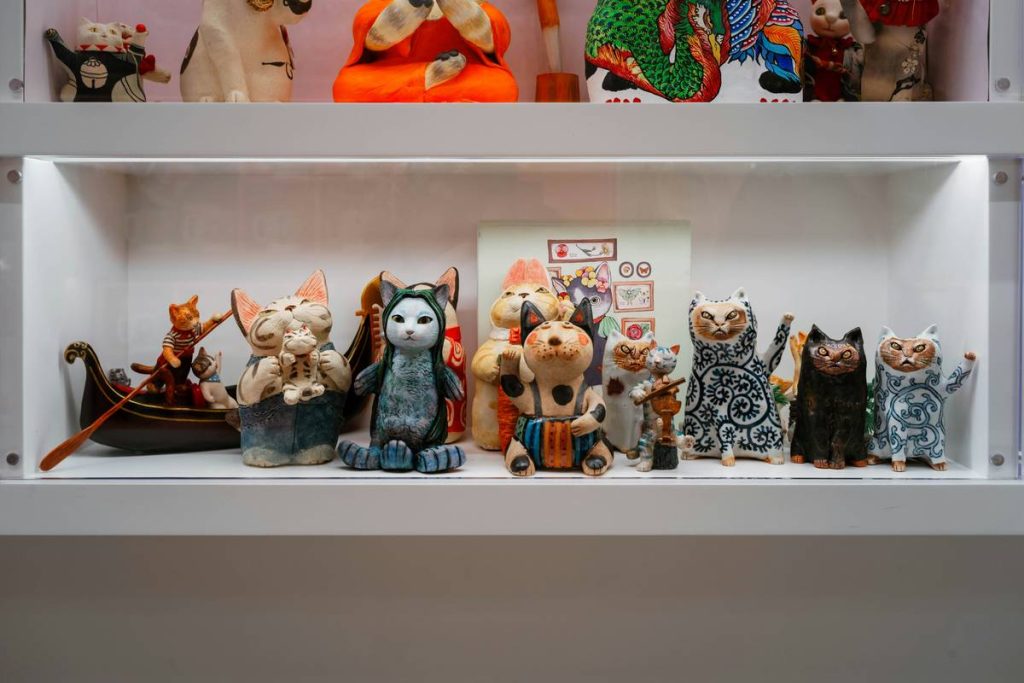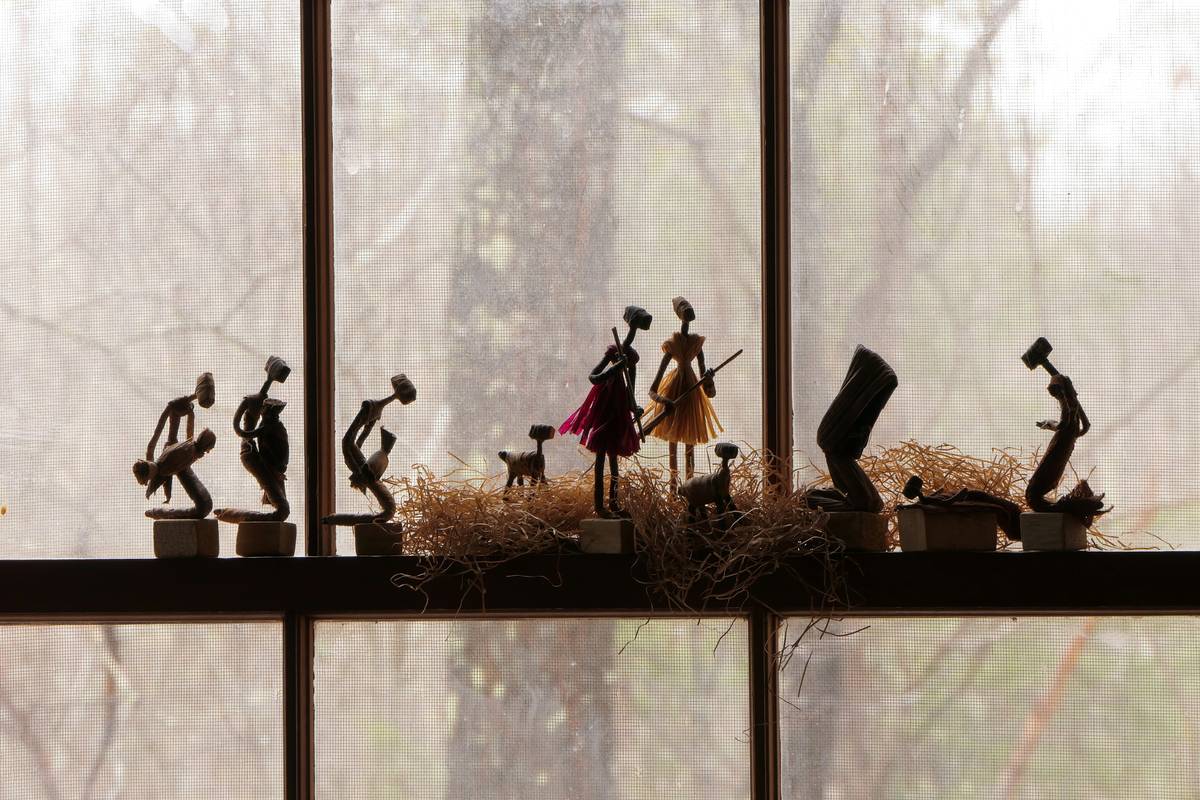
You bought that “statement” angel figurine on impulse. Now it’s sitting awkwardly on your mantel—too shiny, too big, too… lonely. You’re not alone. Most homeowners treat decorative statues and figurines like afterthoughts, tossing them onto shelves with zero strategy. The result? Visual noise, not elegance. But what if you could turn even the tiniest porcelain dancer into a focal point that whispers sophistication instead of shouting kitsch?
Why Generic Styling Advice Fails With Decorative Statues and Figurines
“Just group in threes” or “match your color palette”—sure, those rules sound tidy. But they ignore spatial rhythm and emotional resonance. And most people forget this: scale matters more than theme. A massive bronze lion looks regal flanking an entryway—but ridiculous on a floating nightstand.
Worse yet? Retailers push seasonal collections that scream “temporary.” Think resin snowmen in July. These pieces lack timelessness. They age poorly—literally and aesthetically. Dust accumulates faster than appreciation.
The real problem isn’t taste. It’s placement without intention.
Your Step-by-Step Guide to Styling Decorative Statues and Figurines Like a Pro
Assess Your Space’s Visual Weight
Before buying another piece, stand back. Does your room feel heavy (dark furniture, dense textures)? Then go for lighter materials—ceramic, glass, or matte-finish metals. Airy rooms can handle bold stone or patinaed bronze.
And don’t ignore negative space. Sometimes one well-placed bird figurine on a wide console says more than five crammed into a bookshelf.
Curate, Don’t Collect
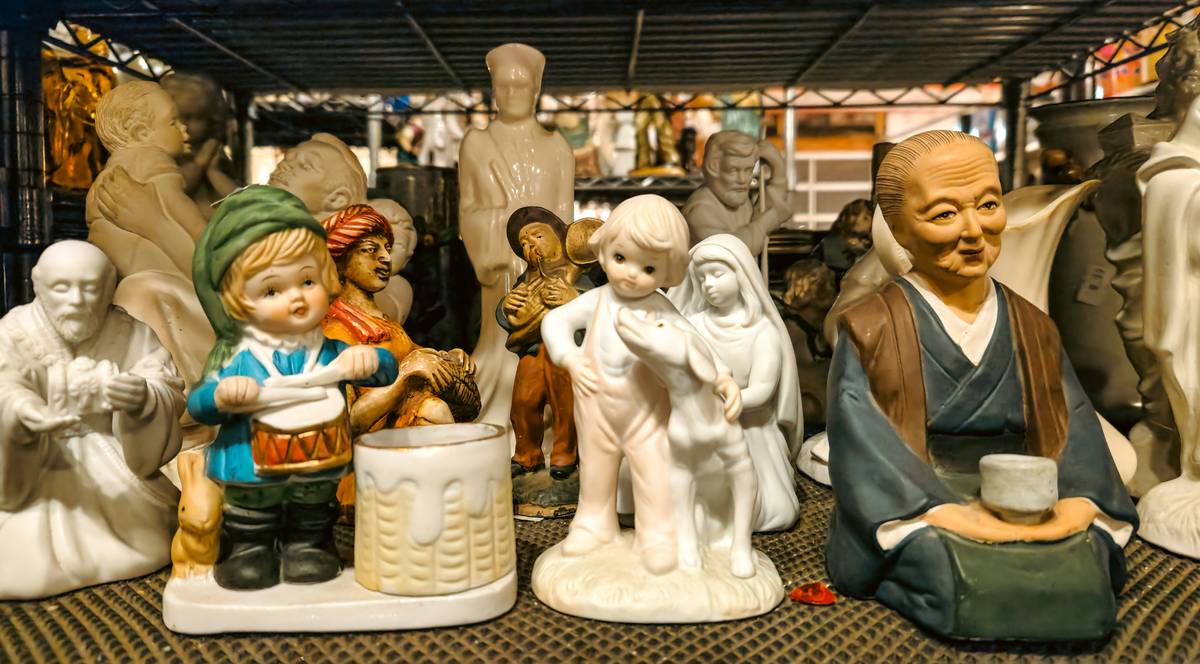
Owning 20 mismatched trinkets ≠ having a collection. Choose based on story, not sales racks. Did you inherit a miniature jade scholar from your grandmother? That’s anchor material. Build around heritage—not clearance aisles.
Vary height, but unify finish or era. A mid-century ceramic owl beside a modern brushed-brass abstract form? Surprisingly harmonious—if both share muted tones.
Strategic Grouping Techniques
Avoid symmetrical tyranny. Off-center arrangements feel human. Try the “anchor-flanker” method: one dominant piece (anchor), two smaller companions (flankers) at uneven distances.
Pro tip: rotate seasonal accents onto a dedicated tray. Keeps your core display clean while letting you swap in holiday-themed figurines guilt-free.
| Placement Strategy | Best Materials | Avoid If… | Price Range (USD) |
|---|---|---|---|
| Entryway Statement | Stone, bronze, cast iron | Your foyer is under 4 sq ft | $80–$300+ |
| Shelf Accents | Ceramic, wood, resin (matte) | You already have 10+ books and photos | $15–$60 |
| Table Centerpieces | Glass, crystal, polished metal | Tables get daily use (risk of knocks) | $25–$120 |
| Bedroom Nightstands | Soft ceramics, fabric-wrapped bases | You’re a restless sleeper (bumping hazard) | $10–$45 |
The Industry Secret: Lighting Is Your Silent Stylist
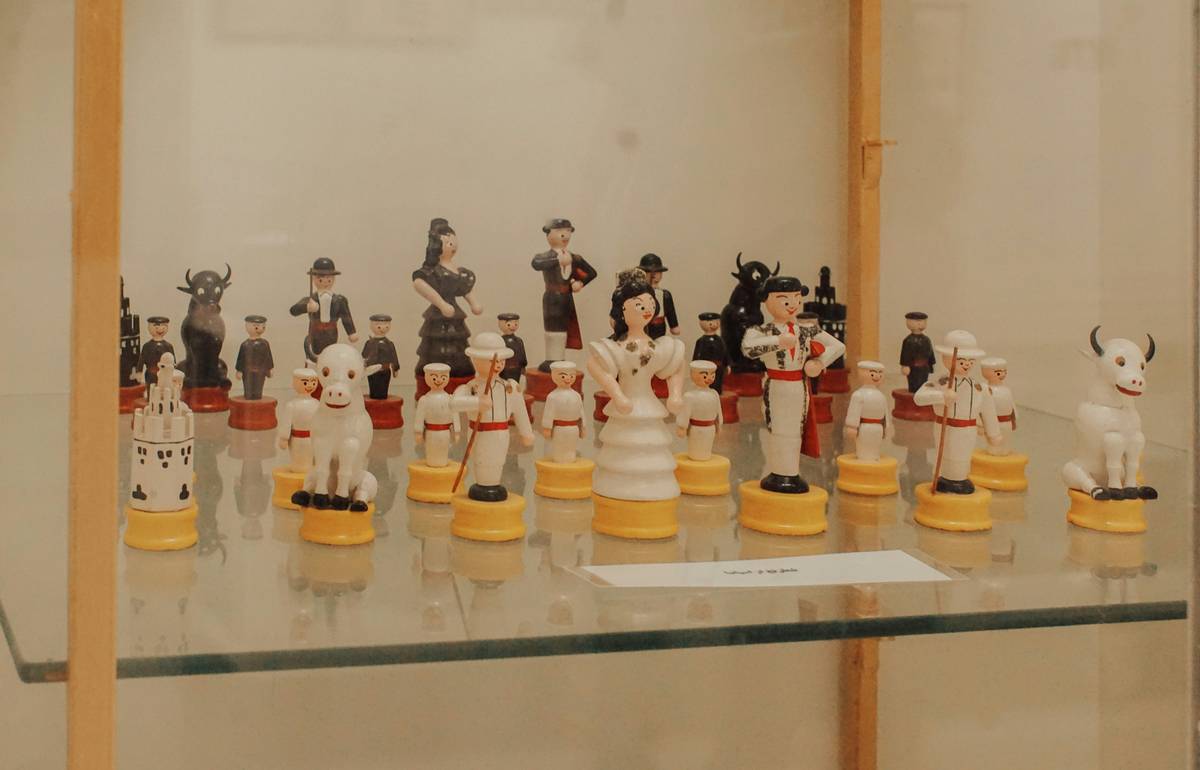
Here’s what interior designers won’t tell you: a $20 LED puck light under a shelf transforms a $30 resin figurine into museum-grade art. Directional lighting creates shadow play—adding depth retailers never photograph.
Warm white (2700K–3000K) enhances earthy tones in terracotta or wood. Cool white (4000K) flatters metallics and glass. And never—ever—rely on overhead fluorescents. They flatten texture and amplify dust specks like a spotlight on regret.
Think about it: galleries spend thousands on track lighting. You need maybe $12 and 10 minutes.
FAQ
Where should I avoid placing decorative statues and figurines?
Skip high-traffic zones like narrow hallways or near swinging doors. Also, avoid direct sunlight—it fades finishes and cracks porous materials over time.
How often should I clean my figurines?
Dust weekly with a soft microfiber cloth. For intricate pieces, use a makeup brush. Deep clean only quarterly with mild soap—never submerge unless labeled waterproof.
Are resin figurines worth buying?
Yes—if they’re UV-stable and matte-finished. Cheap glossy resin yellows fast. Look for brands that specify “indoor/outdoor” durability even if used indoors.