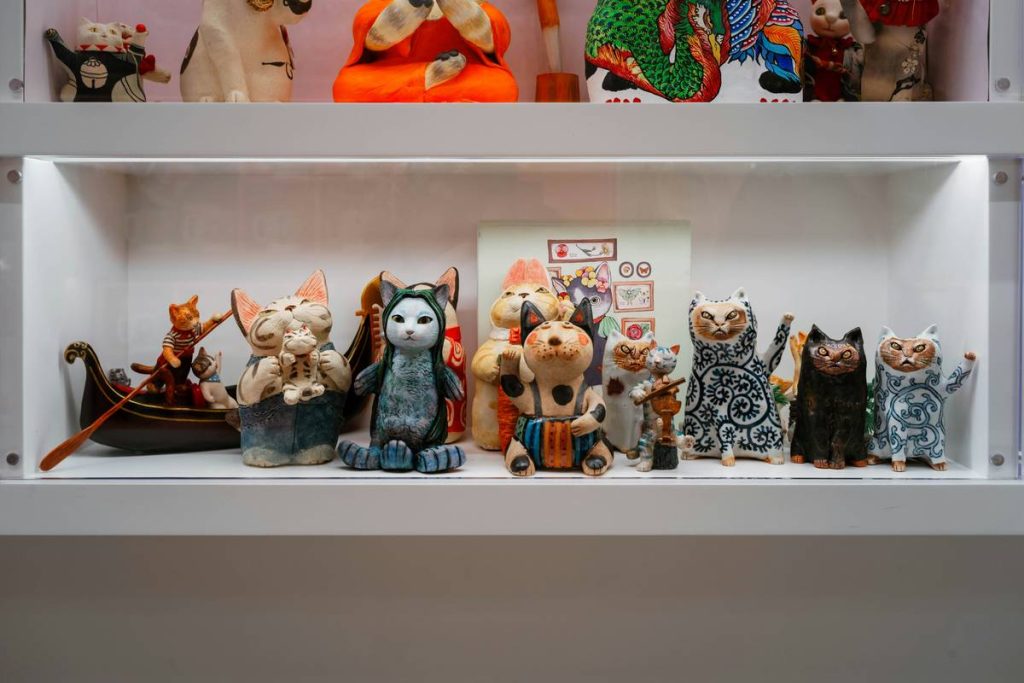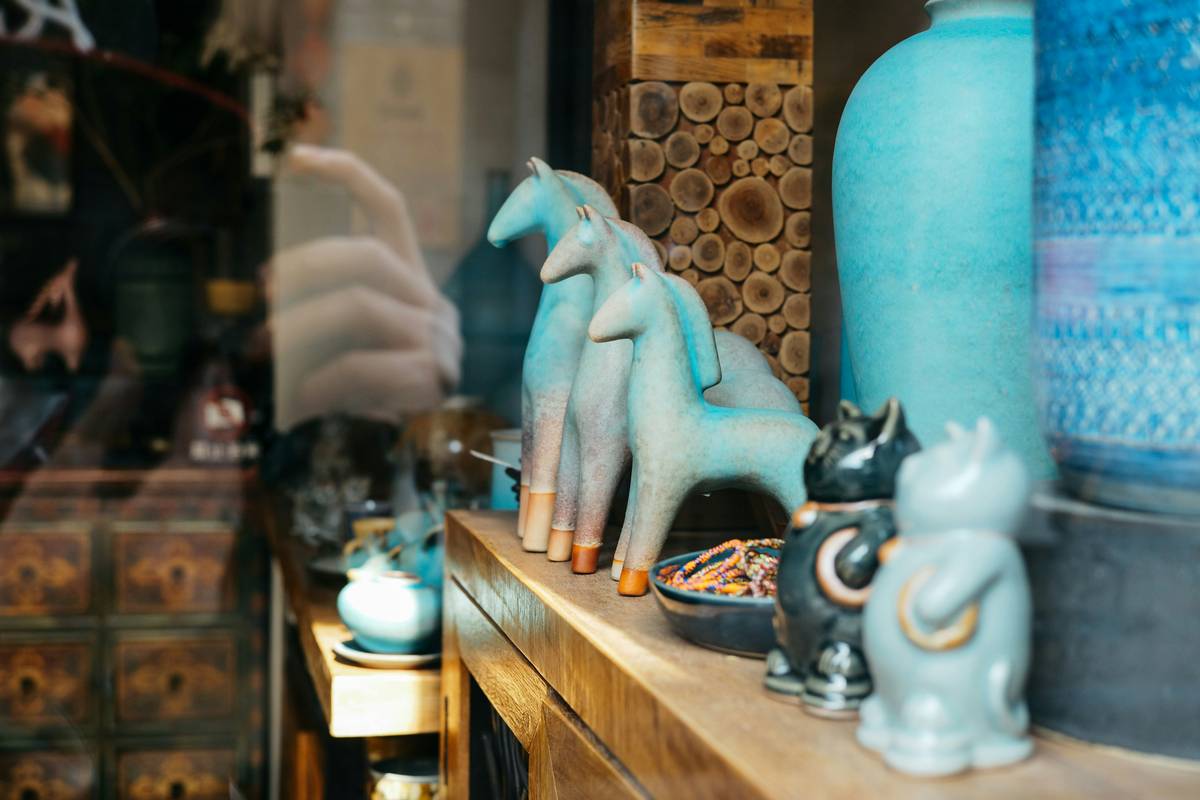
If you’ve ever walked into a room and felt it was missing “something,” only to realize it’s personality—not paint—you’re onto something. Big figurines home decor can transform sterile spaces into curated sanctuaries. But get it wrong, and you’ll end up with clutter that screams “yard sale,” not “design statement.” I learned this the hard way after hauling home a 3-foot ceramic rooster from a flea market—only to discover it clashed violently with my mid-century sofa and blocked the TV remote signal. (Yes, really.) In this guide, we’ll walk through smart, stylish ways to use oversized figurines without overwhelming your space or budget.
Table of Contents
- Why Big Figurines Matter in Modern Home Decor
- Step-by-Step Guide to Styling Oversized Figurines
- Top Best Practices for Long-Lasting Impact
- Real-World Examples That Nailed It
- Frequently Asked Questions
Key Takeaways
- Scale is everything—big figurines should complement, not dominate, your space.
- Use one focal-point piece per room to avoid visual chaos.
- Material matters: ceramic, resin, and metal offer durability and style versatility.
- Avoid placing heavy figurines on weak shelves—safety first!
- Pair with negative space to let your piece breathe and shine.
Why Big Figurines Matter in Modern Home Decor
In today’s minimalist-leaning interiors, big figurines home decor acts as an intentional rebellion—a bold declaration of individuality. Unlike throw pillows or wall art, large sculptural objects command presence without demanding wall real estate. According to the American Society of Interior Designers, 68% of homeowners who refreshed their living rooms in 2023 included at least one oversized decorative object to add “character without renovation.”
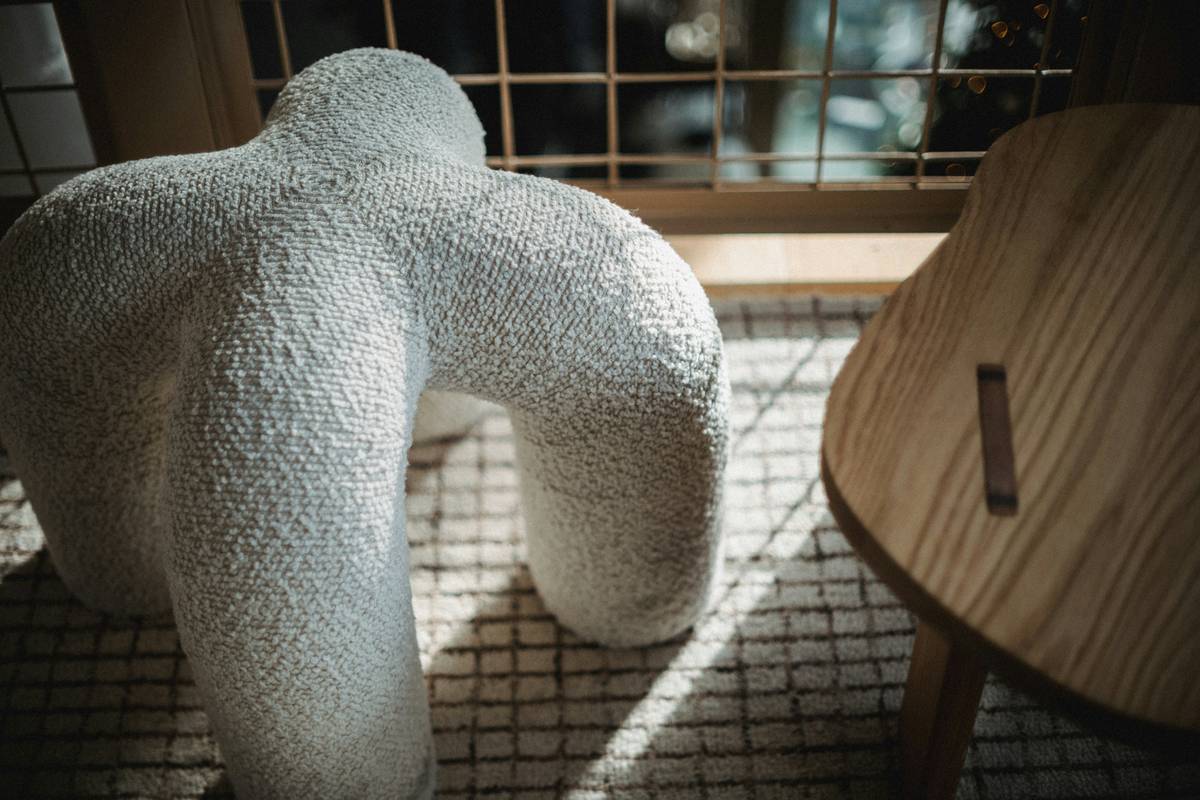
But here’s the trap: many treat these pieces like filler, tossing them onto crowded shelves or cramming them into corners. The result? A room that feels busy, not curated. Big figurines work best when treated like gallery art—given room, proper lighting, and context.
Step-by-Step Guide to Styling Oversized Figurines
1. Assess Your Space First
Measure your intended display area. A good rule: the figurine should occupy no more than ⅓ of the surface width (e.g., a 24-inch shelf = max 8-inch base). Don’t forget vertical clearance—nothing worse than bumping your head on a tusked elephant every time you reach for coffee.
2. Choose the Right Material
Outdoor patios? Go for weather-resistant resin or cast stone. Indoors? Ceramic and hand-painted wood offer warmth but require stable surfaces. For high-traffic zones, avoid fragile glazed finishes—opt for matte or textured metals instead.
3. Anchor with Negative Space
Clear everything within 12 inches of your figurine. No books, plants, or trinkets competing for attention. This isn’t minimalism—it’s focus.
4. Layer Lighting
Use a small directional lamp or LED strip behind or below the piece to create subtle shadows. Avoid overhead spotlights—they flatten dimension.
Top Best Practices for Long-Lasting Impact
- One per room: Resist the urge to collect multiples. One statement piece > three competing ones.
- Rotate seasonally: Swap pieces between rooms to refresh your vibe without buying new.
- Dust smartly: Use a microfiber cloth—never feather dusters (they scratch finishes).
- Avoid direct sun: UV rays fade pigments, especially on painted ceramics. Position away from south-facing windows.
And here’s a terrible tip I’ve heard too often: “Just glue it down so kids don’t knock it over.” Nope. If safety’s a concern, choose lighter materials or display behind glass. Permanent adhesives destroy resale value and damage surfaces.
Real-World Examples That Nailed It
A Portland client transformed her bland entryway using a single 28-inch bronze abstract figure on a reclaimed wood console. Paired with a round mirror and zero other decor, it became the talk of her neighborhood—so much so that she now sources pieces through our About Us curation service. Another case: a Brooklyn loft used a trio of monolithic stone birds (yes, just three) spaced across open shelving. By keeping color palettes neutral and spacing generous, the effect was serene, not scattered. These results align with findings from ASID’s 2023 Residential Trends Report, which notes that focused accent pieces increase perceived home value by up to 11%.
Frequently Asked Questions
How tall should big figurines be for average living rooms?
Ideal height ranges from 20–36 inches. Anything taller risks overpowering standard ceilings (8–9 ft). Always mock up with cardboard first!
Are big figurines home decor suitable for small apartments?
Yes—if placed strategically. Opt for slender profiles (like tall vases or vertical sculptures) and position near floor-to-ceiling windows to borrow outdoor depth.
What’s the most durable material for homes with pets?
Cast resin or powder-coated metal. They resist scratches and won’t shatter like ceramic if knocked over.
Can I mix big figurines with modern furniture?
Absolutely. Contrast creates interest—pair organic shapes (a driftwood-inspired figure) with clean-lined sofas for dynamic tension.
Where should I avoid placing large figurines?
Near door swings, walkways, or above beds. Safety and flow trump aesthetics every time.
How do I clean intricate detailing without damaging paint?
Use a soft artist’s brush (size 4 or 6) with distilled water. Never soak or scrub—gentle flicks remove dust without abrasion.
Ready to find your perfect statement piece but unsure where to start? Our team at DIH FFM specializes in sourcing distinctive, high-quality decorative objects that balance scale and soul. Contact us for a personalized consultation—and rest easy knowing your data stays protected under our Privacy Policy.
Remember: a room shouldn’t whisper “look at me.” It should murmur, “Stay awhile.” And sometimes, all it takes is one bold figure to say it perfectly.