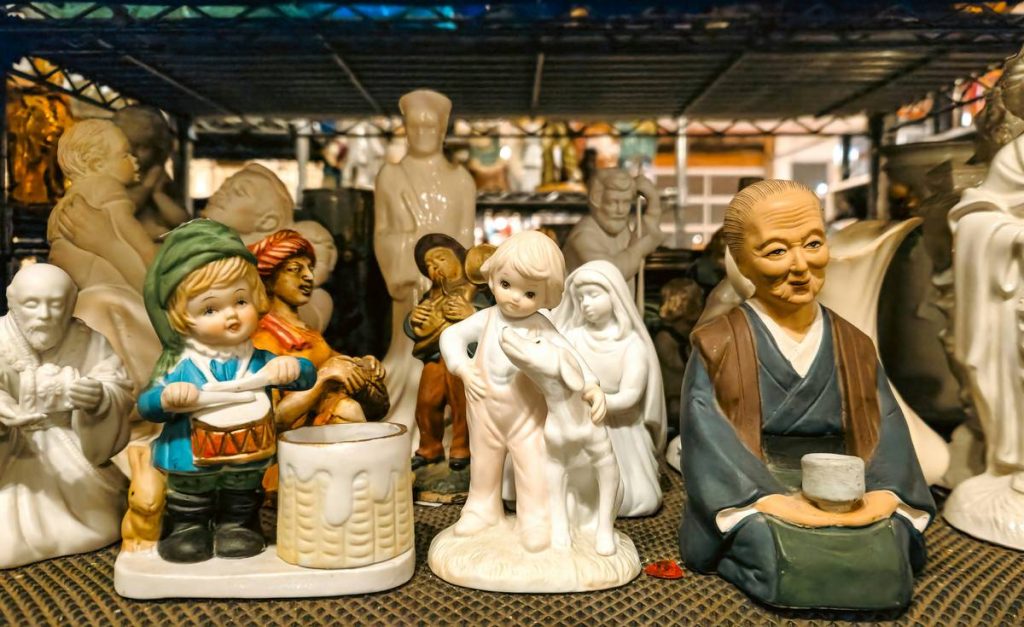
Ever unpack your holiday decor only to realize your once-charming nativity scene now looks like a garage sale exploded in your foyer? You’re not alone. According to the National Retail Federation, 84% of U.S. households decorate for Christmas—but fewer than half feel their displays truly “elevate” their space. The culprit? Overdone figurines that clash, crowd, or just scream “last-minute Target run.”
If you’ve ever stared at a shelf of snowmen wondering, “Do I love these—or just feel guilty tossing them?” this guide is your rescue mission. Drawing from 12+ years as a home stylist and collector of vintage European porcelain figurines (yes, I once flew to Dresden just to hunt down a rare KPM piece), I’ll show you how to curate home interior Christmas figurines that add warmth—not visual noise.
You’ll learn how to pick pieces with lasting value, style them without turning your home into Santa’s overstock warehouse, avoid rookie mistakes that kill ambiance, and discover why less really is more when it comes to festive storytelling.
Table of Contents
- Why Do Home Interior Christmas Figurines Even Matter?
- How to Choose Figurines That Fit Your Home’s Aesthetic
- 5 Styling Tips That Prevent “Figurine Fatigue”
- Real Home Example: From Tacky to Timeless in One Weekend
- FAQs About Home Interior Christmas Figurines
Key Takeaways
- Quality > quantity: One hand-painted Lenox angel beats a dozen plastic elves.
- Skip random placement—group figurines by theme, scale, or color family.
- Vintage European porcelain (Germany, France, Italy) holds value and charm.
- Use lighting strategically: warm LEDs make even modest pieces glow.
- Avoid “figurine graveyards”—rotate displays yearly to keep things fresh.
Why Do Home Interior Christmas Figurines Even Matter?
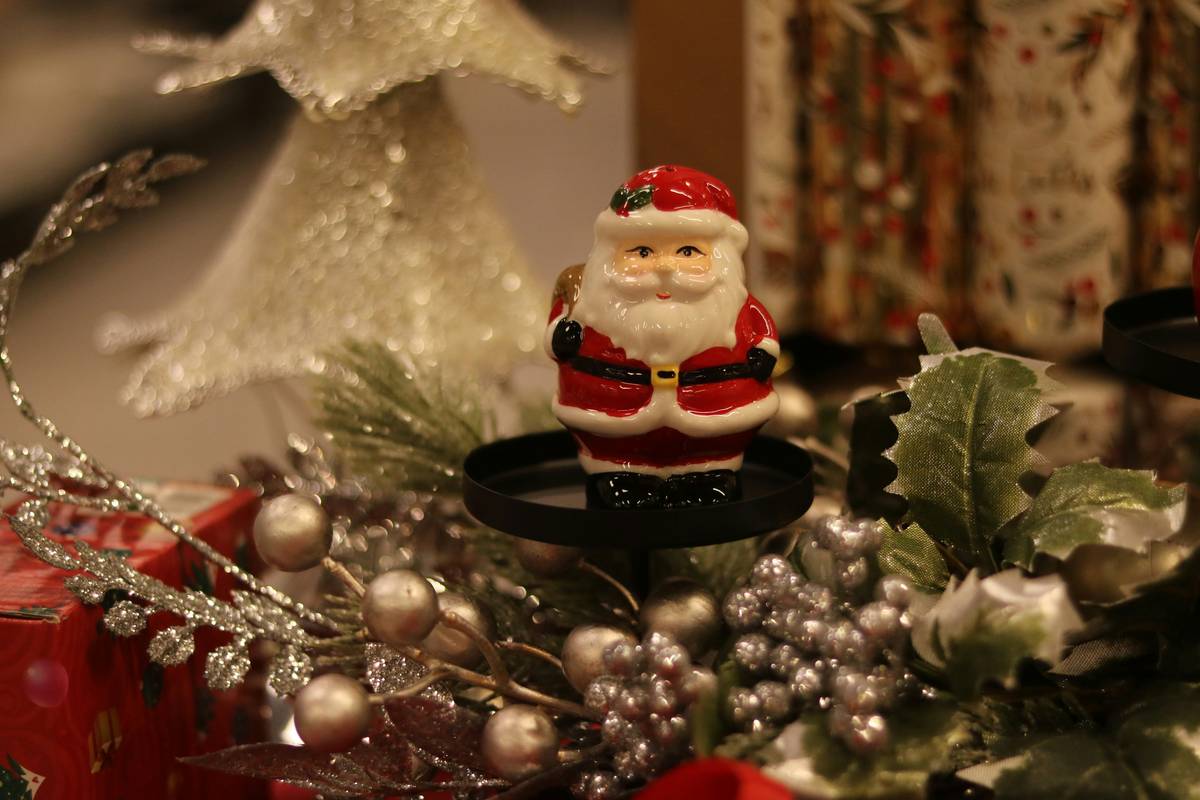
Let’s cut through the tinsel: figurines aren’t just knick-knacks. They’re tiny emotional anchors. A delicate St. Nicholas from Bavaria can whisper childhood memories; a modern resin reindeer might reflect your minimalist ethos. Done right, they transform sterile rooms into spaces that feel lived-in, loved, and intentionally festive.
But done wrong? They trigger what interior designers call “visual static”—that subliminal stress you feel when surfaces look chaotic. In my early days staging homes in Portland, I watched buyers literally back away from living rooms overloaded with mismatched Santas. “It feels… frantic,” one client said. Ouch. Lesson learned: Christmas decor should invite calm joy, not sensory overload.
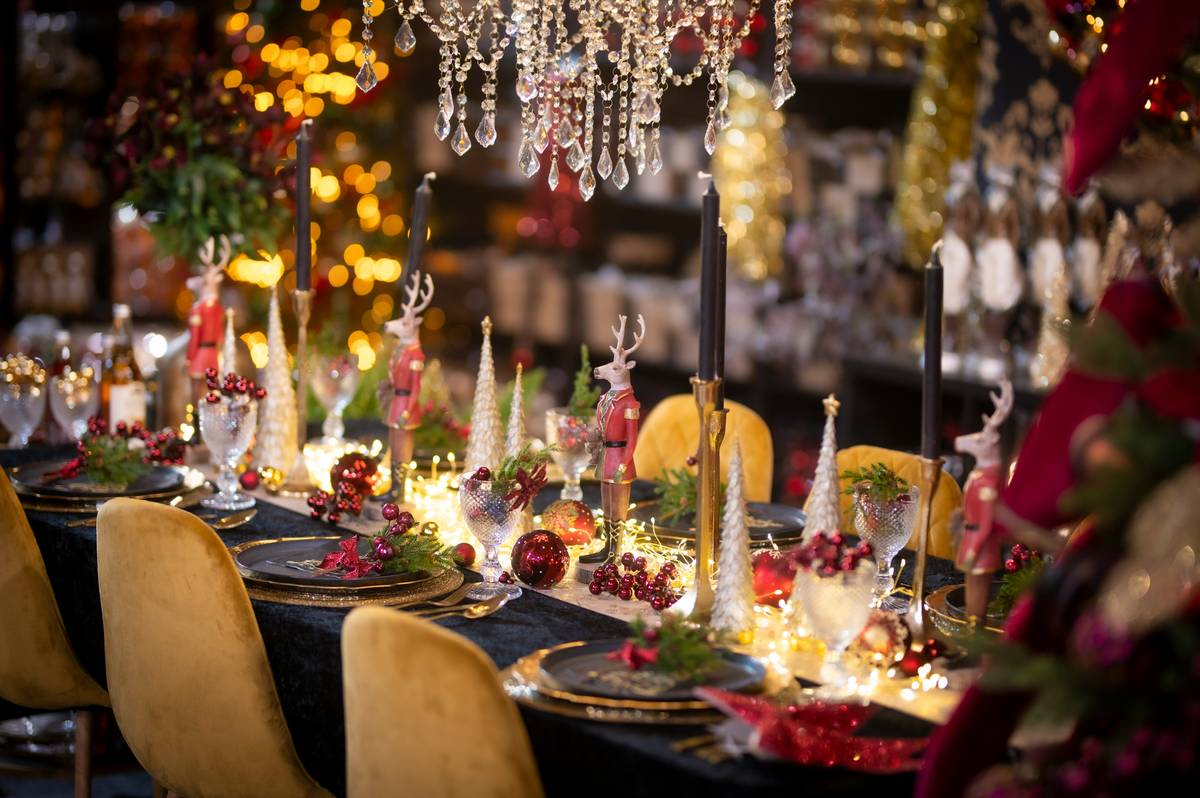
According to a 2023 Houzz Holiday Trends Report, 68% of homeowners now prioritize “meaningful” over “abundant” decorations. That shift reflects deeper design principles: harmony, focal points, and negative space. Figurines, when selected thoughtfully, support all three.
How to Choose Figurines That Fit Your Home’s Aesthetic
Optimist You: “Just buy what speaks to your soul!”
Grumpy You: “Yeah, right—unless your soul speaks fluent ‘dollar-store clearance bin.’”
Fair. So let’s get tactical.
What materials actually last beyond one season?
Ditch thin resin or chalky ceramics—they yellow, chip, or warp near heat sources. Instead, invest in:
- Porcelain: Brands like Goebel (makers of Hummel), Lladró, or Royal Copenhagen offer heirloom quality. Hand-painted details hold up for decades.
- Wood: German nutcrackers or Scandinavian carved angels develop richer patina with age.
- High-grade resin: Look for brands like Department 56—their Snow Village pieces use UV-stable resin that resists fading.
I confess: I once bought a $5 plastic angel at a gas station stop. By New Year’s Eve, its wing had snapped off. Now? I follow one rule: If it doesn’t spark joy for at least three Christmases, don’t bring it home.
How do I match figurines to my existing decor?
Don’t force farmhouse Santas into a mid-century loft. Match style families:
- Modern/minimalist: Geometric shapes, monochrome palettes (think white-on-white ceramic deer).
- Traditional: Rich textures, gilded accents, classic nativity scenes.
- Boho/eclectic: Handmade clay figures, global folk art (Peruvian retablos, Polish straw ornaments).
5 Styling Tips That Prevent “Figurine Fatigue”
Here’s what no one tells you: Placement > Quantity. Follow these best practices:
- Limit groupings to odd numbers. Three or five figurines create natural balance; even numbers feel rigid.
- Elevate with height variation. Use cake stands, stacked books, or risers so taller pieces (like carolers) anchor the back.
- Anchor with greenery. Nestle figurines among eucalyptus or pine sprigs—this softens their edges and ties them to nature.
- Light from below or behind. Battery-operated LED tea lights cast gentle shadows that add dimension.
- Rotate, don’t hoard. Store 60% of your collection. Display only what fits your current mood or room theme.
Terrible Tip Disclaimer: “Just shove them all on the mantel!” Nope. This creates visual competition. Every figurine needs breathing room—or it becomes background noise.
Rant Alert: My Figurine Pet Peeve
Why do people buy *talking* Santa figurines that blare “Jingle Bells” on motion detection? Your home isn’t a mall kiosk. If I hear one more battery-powered elf cackle in a quiet living room, I’m staging an intervention. Christmas magic lives in subtlety—not sudden audio ambushes.
Real Home Example: From Tacky to Timeless in One Weekend
Last December, my sister begged me to “fix” her Denver condo before guests arrived. Her coffee table held: 7 glittery snow globes, 3 plastic Santas, 2 reindeer with crooked antlers, and a singing gingerbread man. Total sensory meltdown.
We kept only three pieces:
- A vintage 1950s Goebel shepherd (matte glaze, soft facial expression)
- A hand-thrown ceramic tree by a local potter
- A small bronze starburst ornament repurposed as a base
We arranged them on a linen runner with dried orange slices and pinecones. Added a single warm-white fairy light strand tucked beneath. Result? Guests didn’t just notice—it sparked conversation. “This feels like a real home,” one friend said.
Moral? Curated minimalism beats cluttered abundance every time.
FAQs About Home Interior Christmas Figurines
Where’s the best place to display Christmas figurines?
Mantels, console tables, and bookshelves work best—surfaces already designed for display. Avoid bathrooms or high-traffic hallways where they’re prone to knocks.
Are vintage Christmas figurines worth collecting?
Yes—if authenticated. Pre-1980 German or Danish porcelain often appreciates. Check for maker’s marks (e.g., “Goebel W. Germany”) and consult price guides like Kovels.
How do I store figurines safely?
Wrap individually in acid-free tissue paper, store upright in compartmentalized bins. Never stack heavy pieces atop delicate ones.
Can I mix religious and secular figurines?
Absolutely—but group them separately. Place nativity scenes in quieter zones (like a reading nook), while playful pieces (snowmen, elves) go in social areas.
Conclusion
Home interior Christmas figurines shouldn’t be afterthoughts—they’re tiny storytellers that shape your holiday atmosphere. Choose fewer, better-made pieces. Style with intention, not obligation. And never forget: your space should feel like you, just wrapped in a little extra cheer.
Now go forth—and may your shelves be merry, bright, and blissfully uncluttered.
P.S. Like a Tamagotchi, your decor needs daily care—dust those figurines! Otherwise, they turn into fuzzy relics by Boxing Day.
Haiku for the wintry soul:
Porcelain angel,
On oak shelf with pine and light—
Silent night, perfect.