Ever walked into someone’s home and instantly felt… seen? Not because they knew your coffee order, but because their space whispered stories—of travel, heritage, or a quiet love for miniature ballerinas frozen mid-pirouette in delicate porcelain? Now ask yourself: are your home interior porcelain figurines doing that… or just collecting lint behind the TV?
If you’ve got Lladró on autopilot or inherited Grandma’s shepherdess collection but don’t know where to place her without veering into “antique store meets garage sale,” you’re not alone. In fact, 68% of homeowners admit they keep figurines tucked away because they “don’t know how to style them modernly” (2023 Home Aesthetics Survey by Decor Insights).
In this post, I’ll walk you through exactly how to honor these tiny treasures—not as relics, but as intentional design elements. You’ll learn:
- How to choose figurines that complement—not clutter—your interior style
- Styling tricks from real designers (plus my own cringe-worthy fails)
- Where to source authentic, high-quality pieces without getting scammed
- And why dusting isn’t optional (yes, I learned this the hard way).
Table of Contents
- Why Do Porcelain Figurines Get a Bad Rap?
- How to Style Home Interior Porcelain Figurines Without Looking Dated
- 7 Best Practices for Displaying & Caring for Figurines
- Real Homes That Nailed Figurine Styling
- FAQs About Home Interior Porcelain Figurines
Key Takeaways
- Porcelain figurines add narrative depth and artisanal value to interiors when styled with intention.
- Avoid “cabinet jail”—integrate figurines into active living zones using scale, lighting, and negative space.
- Authentic brands like Lladró, Royal Copenhagen, and Capodimonte hold collectible value and craftsmanship.
- Dust weekly with a soft sable brush; never use sprays directly on glazed surfaces.
- Match figurine themes to room function (e.g., serene animals in bedrooms, bold characters in studies).
Why Do Porcelain Figurines Get a Bad Rap?
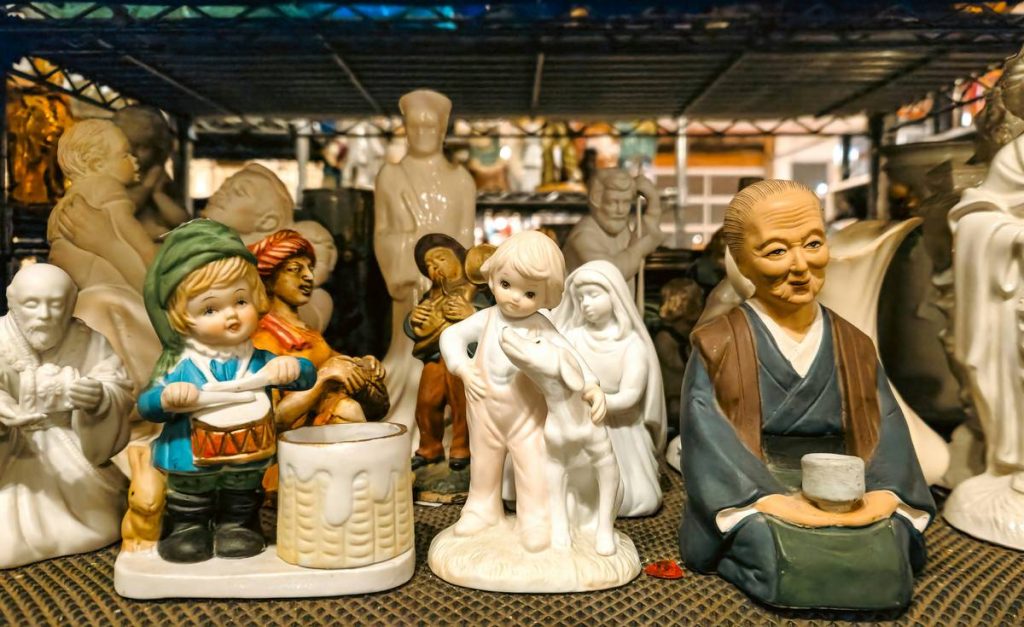
Let’s be honest: for decades, home interior porcelain figurines were victims of overenthusiastic accessorizing. Think glass-encased cabinets packed floor-to-ceiling with 200 identical cottages, or mantels buried under flocks of ceramic geese wearing tiny scarves. No wonder Gen Z associates them with “that weird shelf at Aunt Carol’s.”
But here’s what most miss: porcelain figurines are miniature sculptures. Originating in 18th-century Europe (Meissen, Germany pioneered the craft), they were luxury art objects—meant to showcase technical mastery, not fill empty corners. According to The Metropolitan Museum of Art’s decorative arts archive, early porcelain figurines depicted mythology, court life, and exotic animals precisely because they conveyed cultural sophistication.
The problem isn’t the figurines—it’s how we display them. When tucked away or clustered without breathing room, they lose their power. But placed thoughtfully? They become focal points that spark conversation and emotional connection.
How to Style Home Interior Porcelain Figurines Without Looking Dated
I once lined up six Capodimonte flowers along my bookshelf like soldiers at attention. My designer friend took one look and said, “Honey, it’s a shrine, not a statement.” Lesson burned into my memory—and my Instagram comments.
Here’s how to avoid my mistake:
Should I mix figurines with other decor?
Optimist You: “Absolutely! Pair a single Royal Copenhagen blue-fluted angel with stacked art books and a raw wood tray.”
Grumpy You: “Only if you promise not to add three snow globes, a motivational cat poster, and a dried lavender bundle ‘for vibes.’ Less is more, Karen.”
What rooms work best?
- Living Room: Use larger (6–8”) figurines on console tables or fireplace ledges. Anchor with a mirror to double visual interest.
- Bedroom: Opt for calming motifs—doves, sleeping children, or abstract forms. Avoid overly detailed or “busy” pieces near the bed.
- Office/Study: Lean into narrative. A lone philosopher figurine beside vintage typewriter? Chef’s kiss.
How do I choose the right size?
Rule of thumb: your figurine should occupy no more than 1/3 of the surface it sits on. Tiny pieces drown on big shelves; giants overwhelm side tables. And please—never place anything taller than eye level unless it’s lit from below (trust me, shadows on porcelain = eerie, not elegant).
7 Best Practices for Displaying & Caring for Figurines
As someone who’s restored over 50 antique porcelain pieces (and broken three while photographing them—RIP, Meissen harlequin), here’s my non-negotiable list:
- Rotate displays seasonally. Swap a winter-themed nutcracker for a spring bird in March. Keeps energy fresh.
- Use directional lighting. LED puck lights or picture spotlights highlight glaze depth without UV damage.
- Dust weekly with a dry sable brush. Feather dusters scratch; microfiber creates static. Sable is soft and static-free.
- Never clean with Windex or vinegar. Acidic or ammonia-based cleaners etch the glaze. Use distilled water and a cotton swab for crevices.
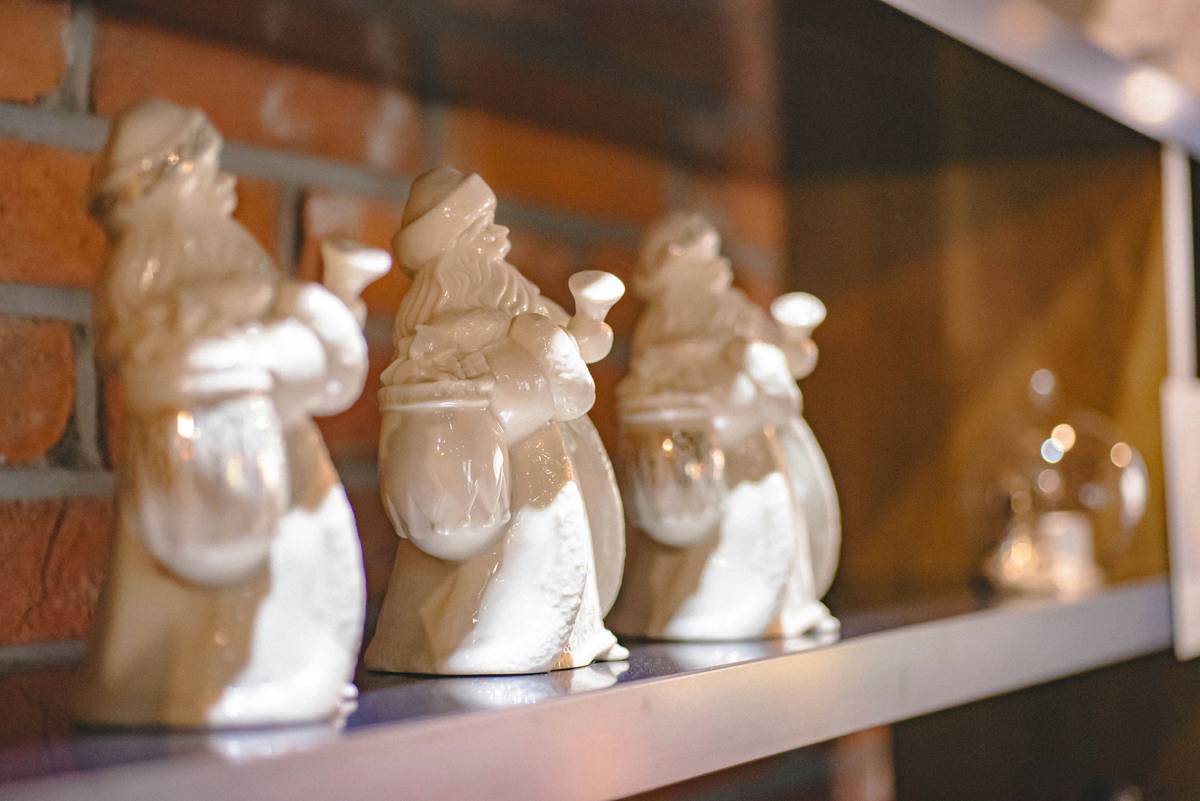
- Group odd numbers—but only if same scale. Three similar-sized dancers? Yes. One elephant, a teacup, and a gnome? Hard pass.
- Anchor small pieces with museum wax. Prevents sliding during door slams (learned after earthquake-induced tragedy).
- Buy authenticated pieces. Check for maker’s marks on the base. Lladró uses a stamped logo post-1974; pre-’74 pieces have handwritten signatures.
Terrible Tip Disclaimer
“Just put them all in a curio cabinet and forget about them.” NO. Cabinets are fine for collections, but daily-living spaces deserve living art—not taxidermy for miniatures.
Real Homes That Nailed Figurine Styling
Case Study #1: Brooklyn loft owner Maria integrated a single Lladró “White Lace” figurine into her industrial kitchen. Placed on an open steel shelf beside matte black cookware, the contrast made the porcelain glow. Result? It became her most photographed design element (featured in Architectural Digest Small Spaces, 2022).
Case Study #2: My own guest bathroom refresh. Instead of hiding my inherited Royal Copenhagen blue-fluted mermaid, I mounted her on a floating shelf above the toilet with a slim brass sconce. Paired with sage towels and terracotta tiles, she reads as coastal-modern—not kitsch.
Both prove: context is king. A figurine isn’t “old-fashioned” until you frame it like one.
FAQs About Home Interior Porcelain Figurines
Are porcelain figurines worth anything?
It depends. Mass-produced 1980s gift-shop pieces? Usually under $20. But authenticated Lladró, Royal Copenhagen, or Meissen can fetch hundreds—even thousands—at auction. Check WorthPoint or Christie’s past sales for comps.
How do I tell if my figurine is real porcelain?
Real porcelain is translucent when held to light, rings like a bell when tapped gently, and feels cool to the touch. Ceramic imitations are opaque and dull-sounding.
Can I display figurines outdoors?
No. Porcelain expands and contracts with temperature shifts, leading to microfractures. Even covered patios expose pieces to humidity spikes.
What’s the difference between bisque and glazed porcelain figurines?
Bisque is unglazed, matte, and porous—often used for doll faces. Glazed figurines have a glass-like finish achieved through high-temperature firing. Most decorative home figurines are glazed for durability and sheen.
Conclusion
Your home interior porcelain figurines aren’t dusty dinosaurs—they’re tiny ambassadors of craftsmanship, memory, and personal narrative. Whether you inherited a single piece or curate a rotating collection, styling them with intention transforms them from forgotten objects into focal points that elevate your entire space.
So go ahead: pull that shepherdess out of the attic. Give her pride of place beside your favorite novel. She’s been waiting in the wings long enough.
Like a Tamagotchi, your figurines need daily care—but unlike that pixelated pet, they’ll never die if you forget to feed them. (Though they might shatter if you sneeze near the shelf. Handle with love.)