You’ve pinned dozens of cozy cabin interiors. You bought that plaid throw, the reclaimed wood shelf, even the faux fur rug. But something still feels… off. The room lacks soul—or worse, it looks like a generic catalog shoot. Here’s the kicker: your moose figurines home decor might be the culprit. Or the cure. It all depends on how you deploy them.
Why Most Moose Figurines Home Decor Backfires
Let’s be blunt: slapping a random moose statuette on your mantel because it “feels rustic” is a rookie move. And it shows.
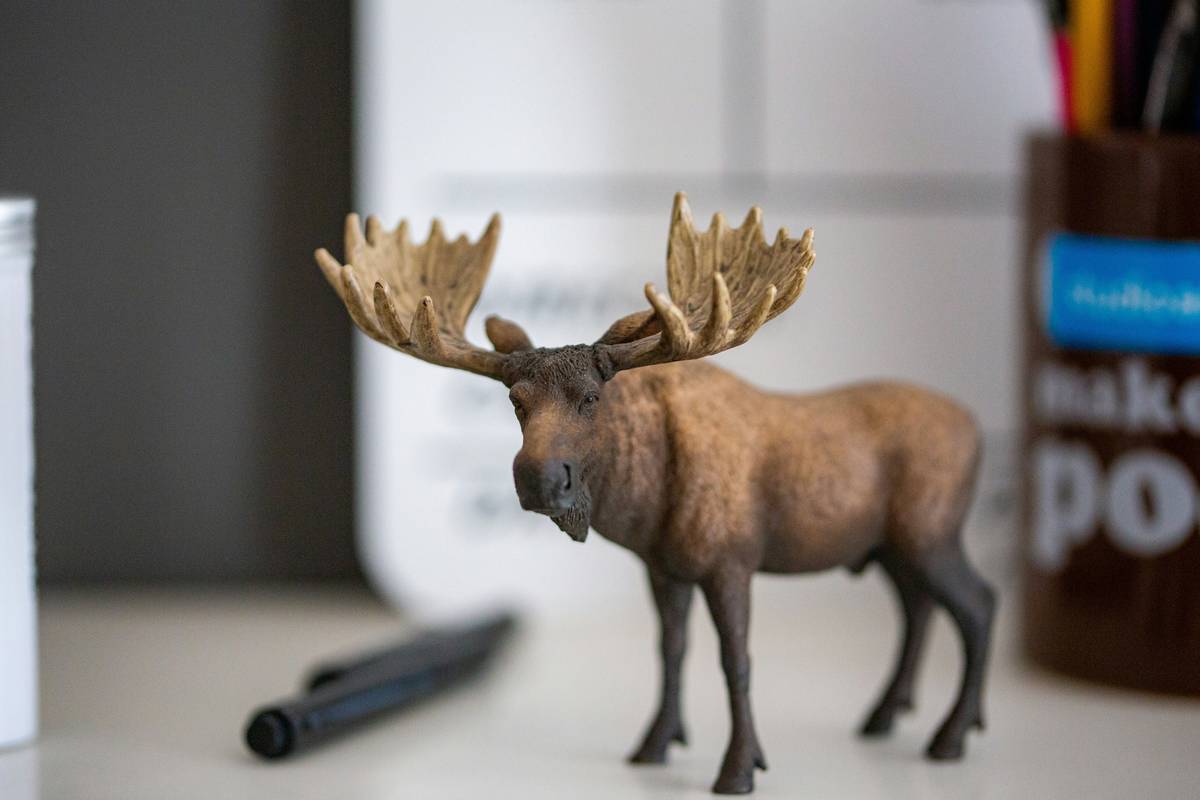
Generic resin moose—mass-produced, hollow-eyed, perched awkwardly beside family photos—don’t add warmth. They add clutter. They scream “I tried to theme this room but ran out of ideas.” Worse, they flatten your space into a caricature instead of elevating it into a curated environment.
Here’s the reality: animal figurines carry symbolic weight. Moose represent strength, solitude, quiet dignity. When you ignore context—scale, material, placement—you strip away meaning and leave only kitsch.
How to Style Moose Figurines That Command Respect (Not Cringes)
Forget throwing one on a bookshelf and calling it a day. Intentionality wins every time. Start with these non-negotiables:
Material Matters More Than Size
A 3-inch bronze moose grounded in patina reads as heirloom. A 12-inch plastic one screams gas station souvenir—even if it’s from a “premium” retailer.
Favor natural or artisanal materials: carved wood (especially birch or walnut), cast metal, ceramic with hand-glazed finishes. Avoid anything glossy, overly smooth, or unnaturally colored unless you’re going for camp (and you’re probably not).
Placement Is Power
Never isolate your moose. Never center it like a trophy. Instead, let it interact with negative space and complementary objects.
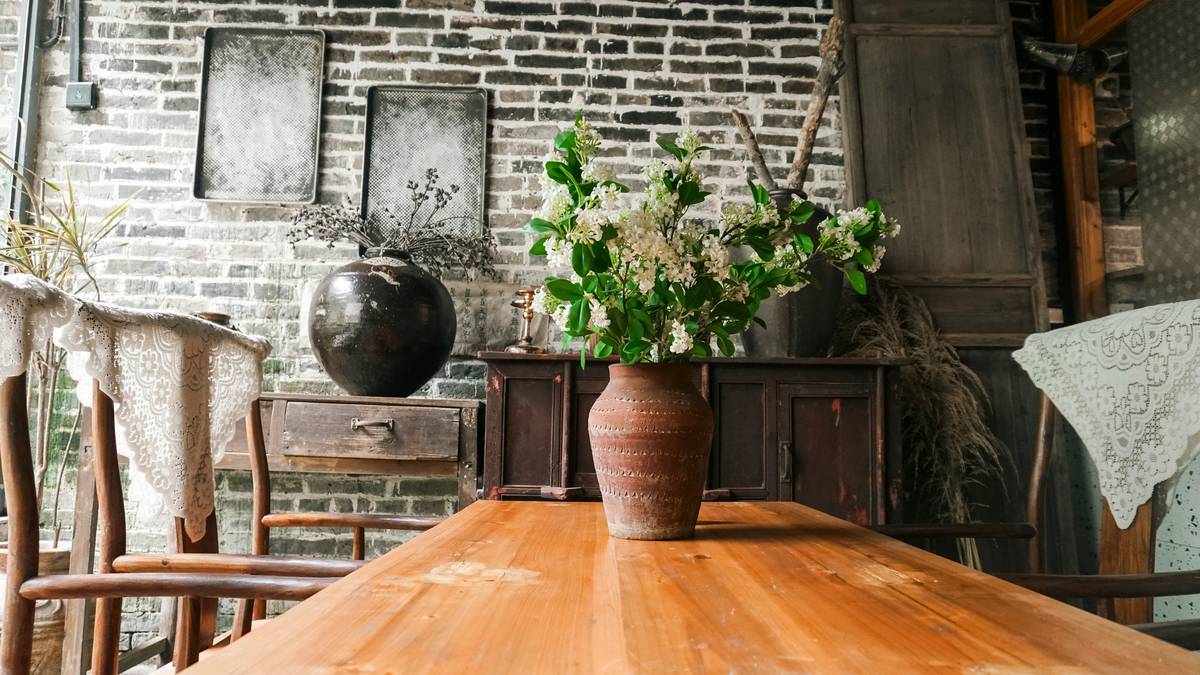
Try tucking a small moose partially behind a stack of vintage books. Or pair a mid-sized one with dried grasses in a matte black vase. The goal? Make it feel discovered—not displayed.
Less Is Literally More
One exceptional piece beats five mediocre ones. Always.
| Approach | Cost Range | Vibe Achieved | Risk Level |
|---|---|---|---|
| Mass-market resin figurine (big box store) | $8–$25 | Tourist trap / dated lodge | High |
| Hand-carved wood (local artisan or Etsy) | $45–$120 | Authentic heritage / quiet craftsmanship | Low |
| Cast metal (bronze or iron finish) | $60–$200+ | Sculptural statement / timeless | Very Low |
| Vintage estate find (1950s–70s) | $20–$90 | Nostalgic charm / conversation starter | Medium (depends on condition) |
The Industry Secret: Moose Should Anchor—Not Decorate
Interior stylists won’t tell you this: moose figurines shouldn’t be accessories. They should be anchors.
Think of them as tonal compasses. Their presence sets the emotional temperature of a room—solemn, earthy, introspective. Once you accept that, you stop “adding decor” and start building atmosphere.
I once worked with a client who hated her “cold” living room. We removed three decorative baskets, swapped out two abstract prints, and placed a single blackened iron moose low on the hearth—facing inward, as if guarding the space. No pillows changed. No paint touched. Yet everyone who walked in said, “It finally feels like you.” That’s the power of treating figurines as functional emotional architecture—not just cute objects.
Frequently Asked Questions
Where should I place moose figurines in my home?
Avoid high shelves or direct eye-level mantels. Instead, position them at seated height—on side tables, console surfaces, or nestled into bookshelves where they feel part of a vignette, not on display.
Are moose figurines outdated?
Only if they’re cheap or used without intention. Authentic materials and thoughtful placement make them timeless—especially in modern rustic, Scandinavian, or minimalist interiors seeking organic warmth.
What rooms work best for moose decor?
Living rooms, studies, and entry halls benefit most. Avoid kitchens or bathrooms—moose symbolism clashes with utilitarian or humid spaces. Bedrooms? Only if you want a serene, forest-like retreat.