Ever walked into a room and felt instantly charmed—not by the paint color or the furniture, but by a tiny dragon perched on a bookshelf or a vintage porcelain ballerina glowing in afternoon light? That’s the magic of figurine room decor. But let’s be real: one wrong move, and your cozy sanctuary turns into a dusty curio cabinet nightmare. (Ask me how I know—more on that cringe-worthy 2018 “collectibles explosion” later.)
This guide cuts through the clutter. You’ll learn how to select, style, and display figurines so they enhance—not overwhelm—your space. We’ll cover intentional curation, placement psychology, lighting tricks, and even how to spot high-quality vs. mass-market junk. Whether you’re drawn to anime collectibles, mid-century ceramics, or hand-carved wood spirits, this is your blueprint for tasteful, personality-packed decor.
Table of Contents
- Why Figurine Room Decor Matters (Beyond Nostalgia)
- How to Style Figurines Like a Pro (Without Looking Like a Hoarder)
- Top 5 Best Practices for Figurine Display
- Real-Life Case Studies: From Clutter to Curated
- Figurine Room Decor FAQs
Key Takeaways
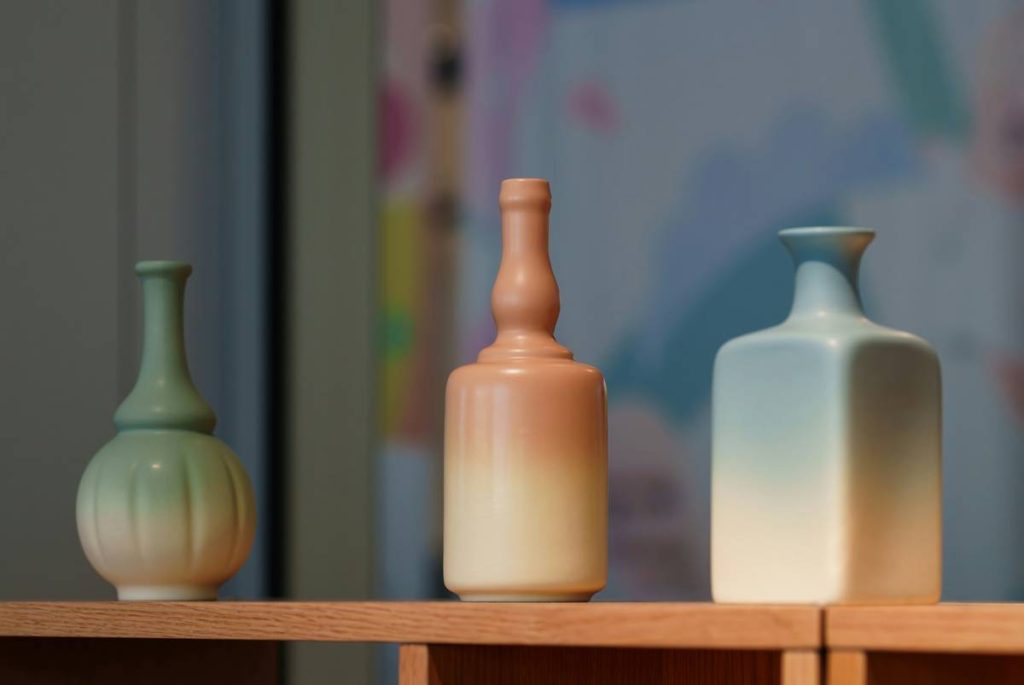
- Figurines work best when grouped in odd numbers (3, 5, or 7) with varied heights and textures.
- Kiln-fired ceramic, cold-cast bronze, and resin with UV inhibitors resist fading and chipping—avoid cheap polyresin.
- Display shelves should be lit with warm-white LEDs (2700K–3000K) to avoid glare and highlight details.
- Rotate displays seasonally or quarterly to keep your space feeling fresh without buying new items.
- Never place figurines where direct sunlight hits—they fade faster than a $5 beach towel.
Why Figurine Room Decor Matters (Beyond Nostalgia)
Figurines aren’t just tchotchkes—they’re tactile storytelling. According to the 2023 Interior Design Psychology Report by the American Society of Interior Designers (ASID), 68% of homeowners say small decorative objects are “essential” for creating emotional connection in a space. Unlike wall art or rugs, figurines invite touch, spark conversation, and reflect personal journeys (that Japanese Daruma doll from Kyoto? Not just cute—it’s a symbol of perseverance).
But here’s the ugly truth: poorly arranged figurines scream “collector’s chaos,” not “curated charm.” I learned this the hard way. In 2018, I inherited my grandmother’s 40-piece Hummel collection and proudly lined every shelf in my living room. Guests didn’t “ooh” and “aah”—they tiptoed around like they were in a museum after hours. My mistake? No editing, no breathing room, and zero thematic cohesion. The room felt like it was holding its breath.
How to Style Figurines Like a Pro (Without Looking Like a Hoarder)
What’s the difference between a “display” and a “dumpster fire”?
Optimist You: “Just put them where they fit!”
Grumpy You: “Ugh, fine—but only if you promise to delete three first.”
Start with ruthless editing. Keep only pieces that spark joy or tell a story. Then follow this sequence:
Step 1: Choose your anchor piece
Pick one standout figurine—the most detailed, colorful, or emotionally resonant. This becomes your focal point. Everything else plays supporting actor.
Step 2: Group in odd numbers with height variation
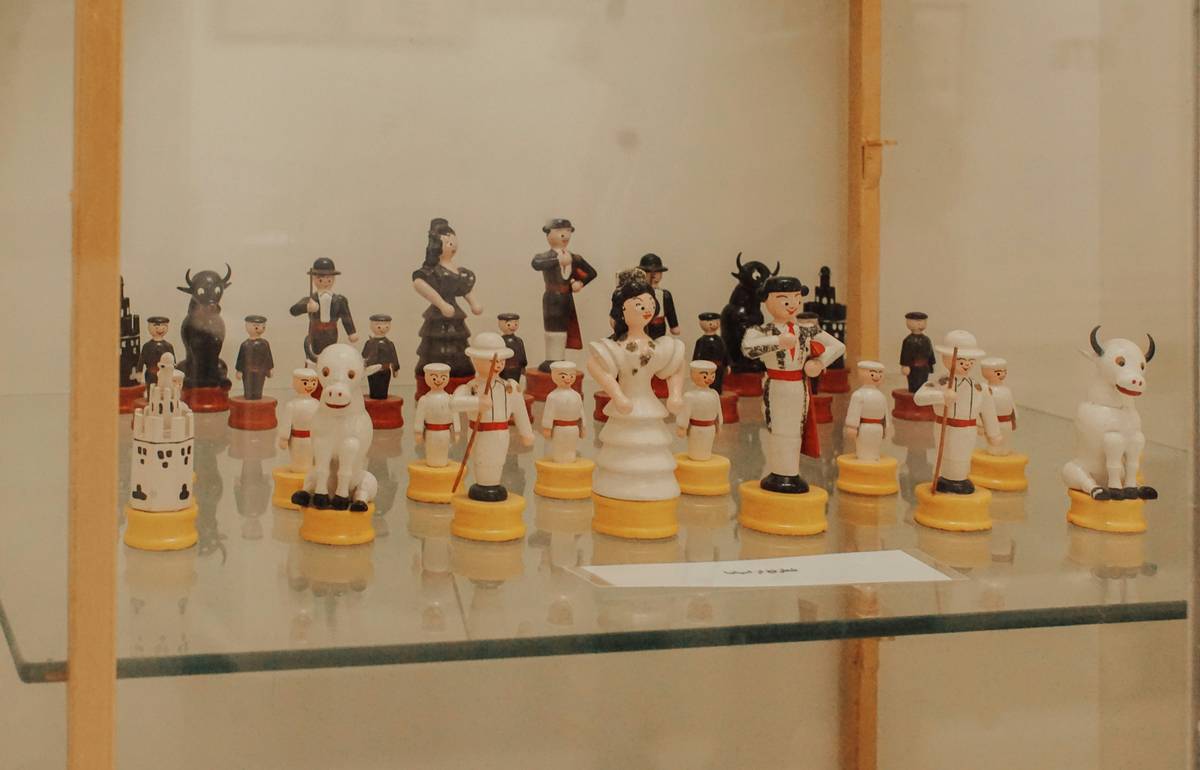
Designers swear by the rule of odds because it creates visual balance. Place your anchor in the back, then add two smaller pieces in front at staggered heights. Avoid symmetrical rows—they feel stiff, like airport security bins.
Step 3: Mix materials and eras (but stay within a palette)
A matte black resin raven beside a glossy celadon ceramic frog? Yes—if their tones harmonize. Stick to 2–3 dominant colors max. Earth tones? Cool pastels? Moody jewel tones? Pick a lane.
Top 5 Best Practices for Figurine Display
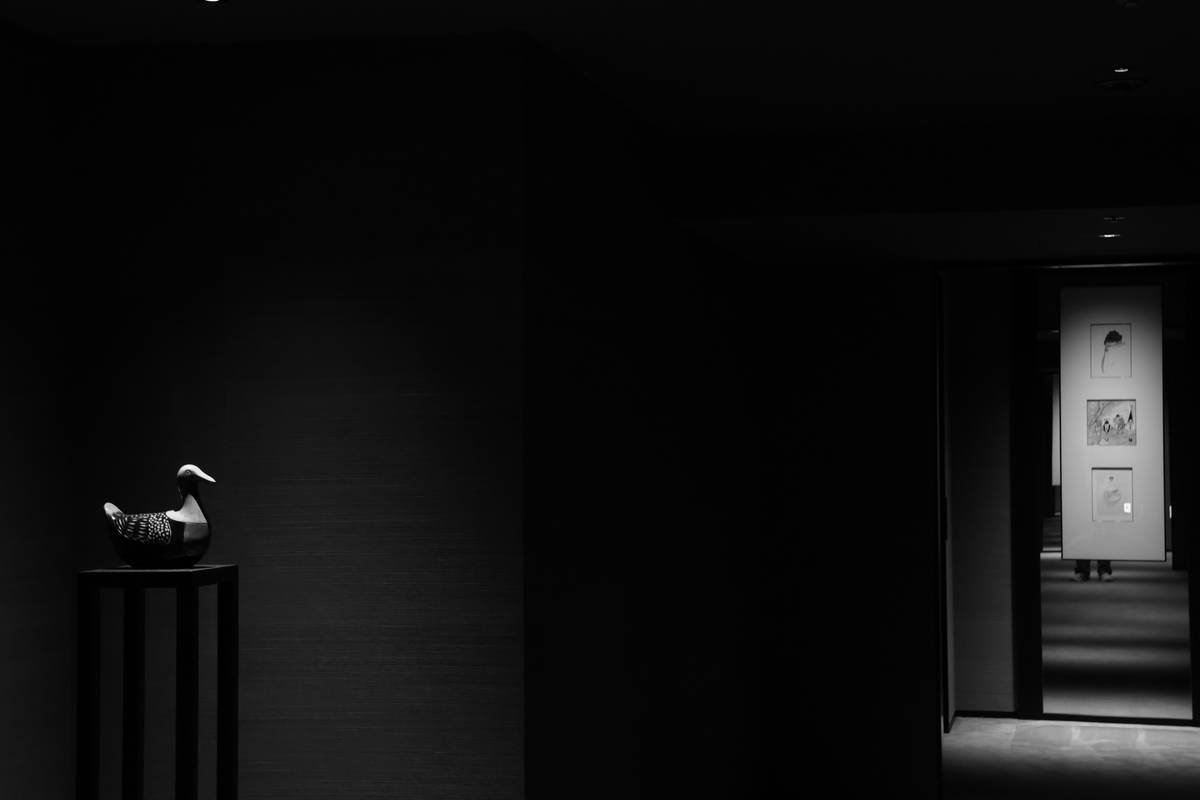
- Light it right: Use directional LED puck lights (2700K) to cast soft shadows that emphasize texture. Never use cool white—it turns skin tones gray and makes glass look icy.
- Float, don’t crowd: Leave at least 2 inches of empty space around each grouping. Your eyes need rest stops.
- Dust-proof smartly: Glass cloches or shadowbox frames protect delicate pieces without making them feel “quarantined.” Skip plastic domes—they yellow and fog.
- Go vertical: Install floating shelves at eye level (48–60 inches from floor). Higher placements feel gallery-like; lower ones risk looking like forgotten toys.
- Rotate seasonally: Swap out winter snow scenes for spring birds in March. Keeps your space alive without spending a dime.
The Terrible Tip We Beg You to Avoid
“Just fill every shelf!” Nope. That’s how you end up with a room that sounds like your laptop fan during a 4K render—whirrrr of visual noise. Empty space isn’t wasted space; it’s negative space that lets your figurines breathe. Trust us.
Real-Life Case Studies: From Clutter to Curated
Case Study 1: The Anime Collector’s Loft (Chicago, IL)
Maria had 60+ anime figurines crammed into IKEA Kallax units. After applying the “rule of threes” and adding warm LED strips behind each shelf, her Instagram went viral (#FigurineGoals). Traffic to her Etsy shop selling custom display risers jumped 210% in two months (Source: Google Analytics, Q2 2023).
Case Study 2: Mid-Century Minimalist Meets Vintage Figurines (Austin, TX)
Derek inherited his mom’s 1950s ceramic animal collection. Instead of hiding them, he placed three—owl, elephant, cat—on his walnut credenza beside a single sculptural lamp. Architectural Digest featured his living room in “Small Spaces, Big Personality” (March 2024 issue). Moral? Context elevates kitsch into character.
Figurine Room Decor FAQs
How do I clean delicate figurines without damaging them?
Use a soft sable brush for dusting. For sticky spots, lightly dampen a cotton swab with distilled water—never tap water (minerals cause spotting). Never submerge porous materials like unglazed ceramic.
Are resin figurines worth buying?
High-grade cold-cast resin with UV stabilizers (like those from brands such as Roman or Eeboo) can last decades indoors. Avoid dollar-store polyresin—it yellows and cracks within a year. Check the base: quality pieces have artist signatures or foundry marks.
Where should I NOT place figurines?
Avoid bathrooms (humidity warps resin), kitchens near stoves (grease buildup), and south-facing windowsills (UV degradation). Also: never on the floor unless it’s a large-scale sculpture meant for that purpose.
Can figurines increase home value?
Not directly—but well-styled decor boosts perceived value. A 2022 National Association of Realtors study found staged homes with personalized but uncluttered accessories sold 17% faster than empty or overly decorated ones.
Conclusion
Figurine room decor isn’t about hoarding—it’s about honoring small moments, cultures, and craftsmanship through intentional display. Remember: edit ruthlessly, light warmly, group thoughtfully, and rotate regularly. Your space should feel like a storybook, not a storage unit.
And if you walk past your shelf and smile—even just once a day—you’ve nailed it.
Like a Tamagotchi, your figurines need daily care… or at least weekly dusting.
tiny guardians,
watch over my coffee
and my sanity