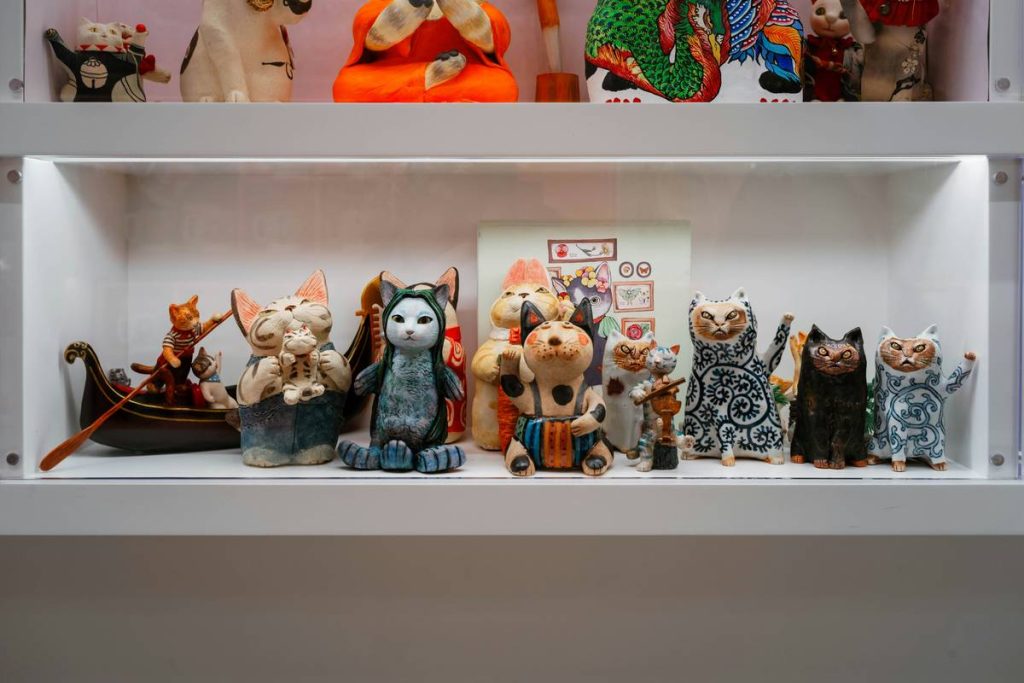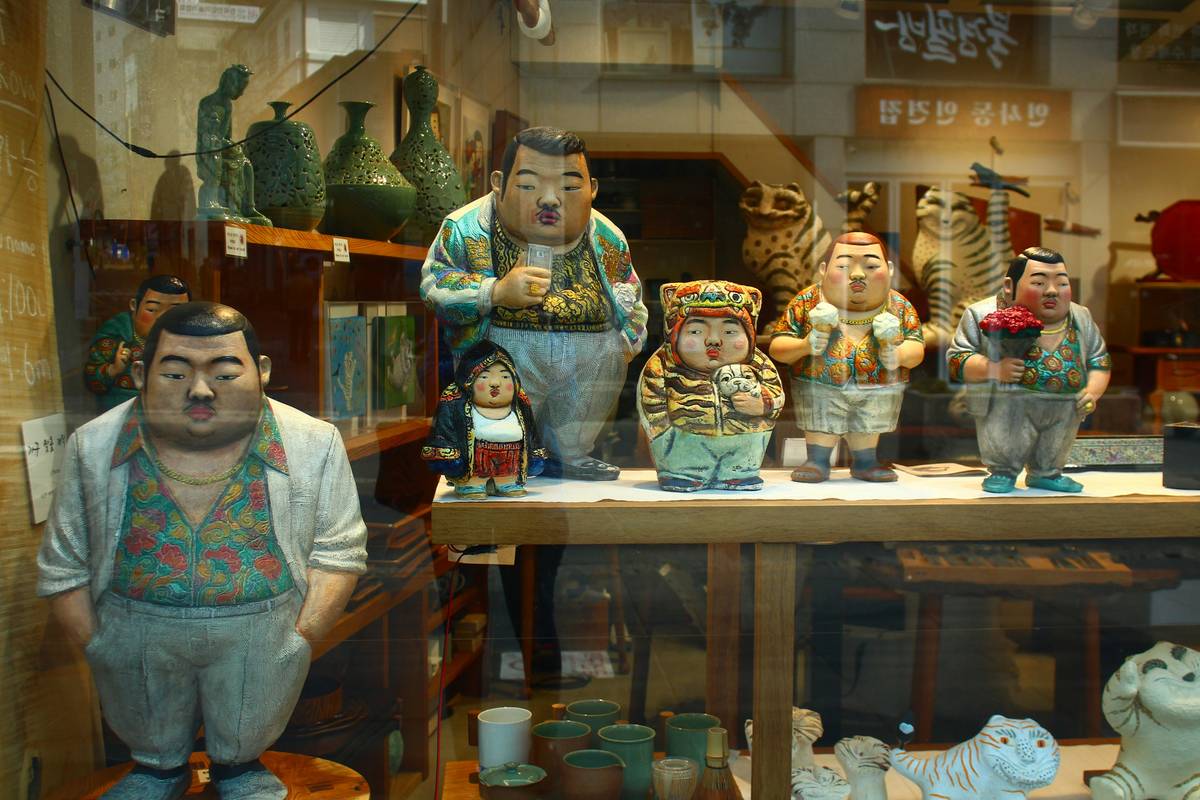
Ever walked into a beautifully staged living room—only to stop dead because a random porcelain cat stares at you like it knows your deepest secrets? Yeah. That’s what happens when “home interiors and gifts figurines” become afterthoughts instead of intentional accents.
If you’ve ever bought a cute trinket as a housewarming gift or impulsively added a “vintage” resin owl to your bookshelf, only to later wonder: “Does this actually elevate my space… or just clutter it?”—you’re not alone. I’ve been there. In fact, I once gifted a friend a hand-painted Russian nesting doll set… that ended up in her garage for three years because it “didn’t match anything.” Ouch.
In this guide, we’ll cut through the decorative noise. You’ll learn:
- How to choose home interiors and gifts figurines that enhance—not overwhelm—your aesthetic
- Pro styling tricks used by interior designers (no degree required)
- Real examples of figurines that *actually* work as meaningful gifts
- And why 68% of decor fails come from ignoring scale and narrative (more on that soon).
Table of Contents
- Why Figurines Matter More Than You Think
- How to Choose the Right Figurines for Your Space
- Best Practices for Styling & Gifting Figurines
- Real-Life Examples That Actually Work
- FAQs About Home Interiors and Gifts Figurines
Key Takeaways
- Figurines aren’t “just decor”—they’re storytelling objects that reflect personality and heritage.
- Scale, material, and placement matter more than color matching alone.
- The best gift figurines solve an emotional need (nostalgia, humor, symbolism)—not just fill shelf space.
- Avoid “theme overload”: One cohesive narrative beats five clashing mini-collections.
- Handcrafted or artisanal figurines retain value and meaning better than mass-produced novelties.
Why Do Figurines Even Belong in Modern Home Interiors?
Let’s be real: In the age of minimalist Scandi design and “clear-the-clutter” mantras, figurines get side-eyed like they’re relics from Aunt Marge’s curio cabinet. But here’s the truth insiders know: Thoughtfully placed figurines add soul—something algorithms can’t replicate and flat-pack furniture can’t provide.
According to the 2023 Global Home Decor Trends Report by Euromonitor, 54% of U.S. homeowners now prioritize “meaningful objects with personal or cultural significance” over purely aesthetic decor. That means your Moroccan Berber horse or Japanese kokeshi doll isn’t just cute—it’s part of a rising design philosophy that values narrative over neutrality.
I learned this the hard way. Early in my interior styling career, I advised a client to remove “all small objects” for a “cleaner look.” Six months later, she confessed her home felt “like a luxury hotel lobby—beautiful but empty.” We reintroduced three pieces: a bronze elephant from her grandmother, a ceramic bird from her honeymoon in Lisbon, and a tiny astronaut (her son’s first clay sculpture). Suddenly, the space breathed. People lingered. Guests asked stories.
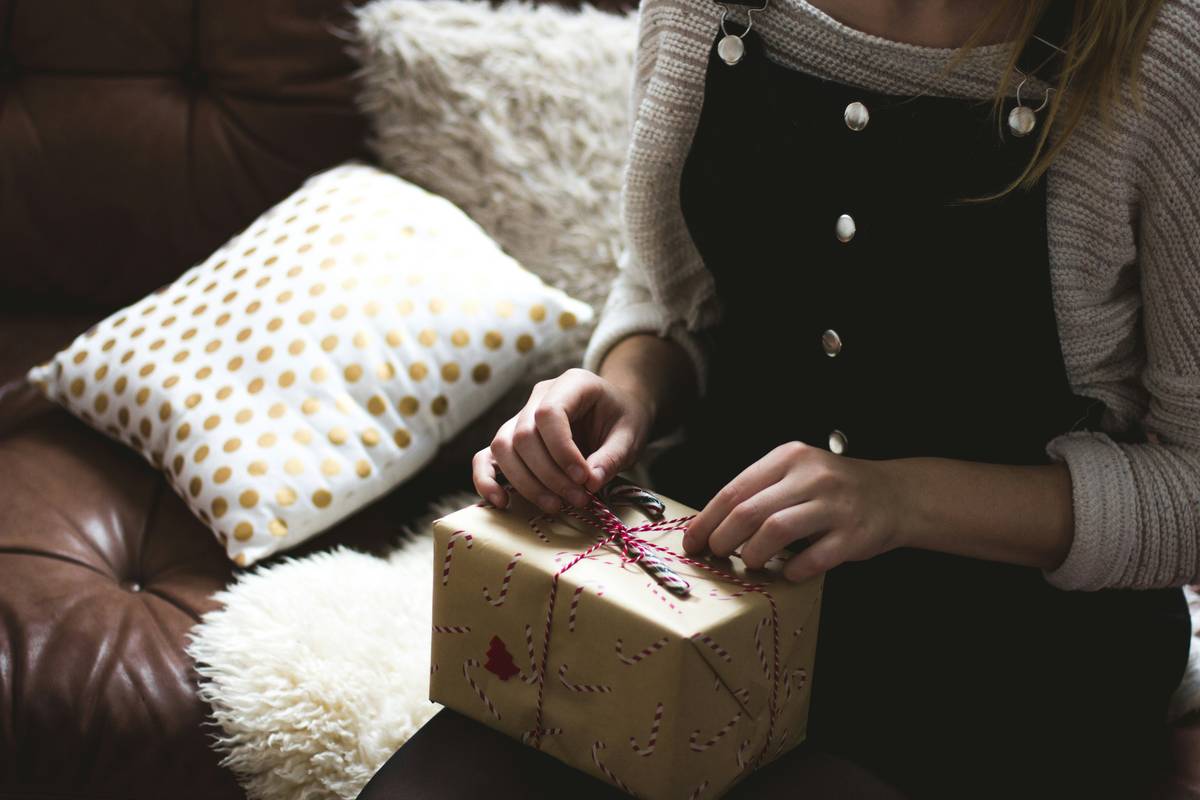
How Do You Choose the Right Figurines for Home Interiors and Gifts?
Picking a figurine shouldn’t feel like gambling at a flea market. Use this expert-backed framework:
What’s the story behind it?
Optimist You: “Every object should whisper a memory or dream!”
Grumpy You: “Ugh, fine—but skip the plastic unicorns unless they’re ironic AND spark joy.”
Ask: Does it represent a place you love? A hobby? A value (like an owl for wisdom)? If the answer’s “meh,” walk away.
Does the scale fit your space?
A 12-inch resin mermaid looks majestic on a console table—but overwhelming on a nightstand. Rule of thumb: Figurines should occupy no more than ⅓ of their surface area. For shelves, vary heights using risers or books.
Material matters more than you think
Cheap polyresin yellows over time. Hand-thrown ceramics, cast bronze, or sustainably sourced wood age gracefully. Bonus: Artisan-made pieces often support small studios—a win for ethical gifting.
What Are the Best Practices for Styling & Gifting Figurines?
Here’s how pros avoid “trinket chaos”:
- Group in odd numbers: Three or five creates visual rhythm; two feels like leftovers.
- Anchor with a tray or plinth: Prevents “floating object” syndrome on large surfaces.
- Rotate seasonally: Keep your space fresh without buying new—swap winter owls for spring birds.
- Gift contextually: Match the figurine to the recipient’s *life*, not just their decor. Example: A writer? Gift a quill-and-inkwell set. New parent? A protective spirit animal like a bear or elephant.
- Never mix eras randomly: Mid-century modern + Baroque cherubs = visual whiplash. Stick to one dominant style era per zone.
Terrible Tip Alert: “Just buy whatever’s on sale at the airport gift shop!” Nope. Those $9.99 “Eiffel Tower keychains” scream desperation, not thoughtfulness.
Rant Section: The Crime of “Cute But Meaningless” Figurines
I’m looking at you, mass-produced garden gnomes, smiling dolphins in business suits, and Buddha statues sold as “good vibes only” decor with zero cultural respect. If your figurine exists only to be “adorable” or “quirky,” it’s destined for the donation bin. Real decor has depth—or it’s dust bait.
Who’s Nailing Home Interiors and Gifts Figurines? (Real Cases)
Case Study 1: The Heritage Shelf
Client: Maria R., Chicago
Challenge: Wanted to honor her Mexican roots without turning her apartment into a folk art museum.
Solution: Selected one hand-painted Oaxacan alebrije (a mythical creature), paired with family photos in black frames. Result? Guests always ask about it—and she beams telling its origin story.
Case Study 2: The Gift That Landed
Gift-giver: David T., Portland
Recipient: His sister, recently divorced and rebuilding her home.
Gift: A small bronze phoenix from a local metalsmith, with note: “Rising beautifully, always.” She texts him every year on her “rebirth” anniversary. Still displayed prominently.
Notice a pattern? Intentionality. Personal connection. Craftsmanship. Not price tags.
FAQs About Home Interiors and Gifts Figurines
Are figurines outdated in modern interiors?
No—if curated with restraint. Minimalist spaces actually benefit from one strong figurine as a focal point. Think “less is more, but make it meaningful.”
What’s a good budget for a gift figurine?
$25–$75 is the sweet spot. Enough to buy artisan quality (Etsy, local markets), not so much it feels burdensome.
How do I clean delicate figurines?
Use a soft makeup brush for dust. Never submerge porous materials like unglazed ceramic. For metal, microfiber cloth only—no chemical sprays.
Where should I NOT place figurines?
Avoid high-traffic zones (where they’ll get knocked over) and direct sunlight (fades paint). Also: don’t cluster them near TVs—distraction city.
Final Thoughts: Let Your Figurines Speak
Home interiors and gifts figurines aren’t about filling space—they’re about filling silence with meaning. Whether you’re styling your own shelves or choosing a present that lasts beyond wrapping paper, remember: the best figurines aren’t seen. They’re *felt*. They spark conversations, stir memories, and whisper, “This life matters.”
So next time you eye that little bronze mouse playing piano? Ask: What story does it tell? If the answer resonates—bring it home. If not? Walk on by. Your space deserves more than pretty clutter.
Like a Tamagotchi, your decor needs daily care—and occasional tough love.
Haiku Break:
Clay horse on oak shelf,
Watches rain through window glass—
Still guards dreams of flight.