Ever walked into a friend’s living room and felt like you’d accidentally stepped into a gift shop at a cathedral? You’re not alone. Over 68% of faith-based home decor buyers admit they’ve purchased religious figurines that clashed with their aesthetic—or worse, gathered dust in a closet because they “just didn’t know where to put them” (Statista, 2023). If you love the spiritual warmth of home interior Jesus figurines but dread ending up with something that screams “1990s Sunday school classroom,” this post is your rescue mission.
I’ve curated, styled, and even *accidentally* broken more than my fair share of sacred decor over 12 years as a home stylist specializing in meaningful interiors. In this guide, you’ll learn: how to pick authentic, high-quality Jesus figurines; where to place them for maximum emotional impact (not visual chaos); why material and scale matter far more than you think; and real styling examples from homes that nailed it. Let’s turn reverence into radiance—without sacrificing style.
Table of Contents
- Why Do Home Interior Jesus Figurines Still Resonate?
- How to Choose the Right Jesus Figurine for Your Home
- 5 Styling Best Practices That Honor Both Faith and Design
- Real Homes, Real Impact: Case Studies That Work
- FAQs About Home Interior Jesus Figurines
Key Takeaways
- Avoid mass-produced resin figurines—they chip easily and lack artistic depth.
- Place Jesus figurines in contemplative zones (entryways, reading nooks), not high-traffic shelves.
- Match finish and scale to your existing decor: matte ceramics for modern farmhouse, bronze for traditional.
- Always verify artisan origin—authentic pieces support ethical craftsmanship.
- Pair with natural textures (wood, linen) to ground spiritual symbolism in warmth, not clutter.
Why Do Home Interior Jesus Figurines Still Resonate?
In an age of minimalist Scandi sofas and algorithm-driven “neutral palettes,” the quiet persistence of home interior Jesus figurines might seem surprising. But data—and lived experience—tells another story. A 2024 Pew Research study found that 72% of U.S. Christians display religious symbols in their homes, with 41% citing “daily spiritual grounding” as the primary reason. These aren’t just decorations; they’re tactile anchors for faith in domestic life.
I remember my first misstep vividly: I bought a $12 glossy white Jesus figurine from a big-box store during a stressful move. Placed on my bookshelf between a vintage lamp and art books, it looked… alien. Like a plastic saint stranded in Brooklyn. The problem wasn’t devotion—it was dissonance. When sacred objects clash with a room’s soul, they lose their power to comfort.
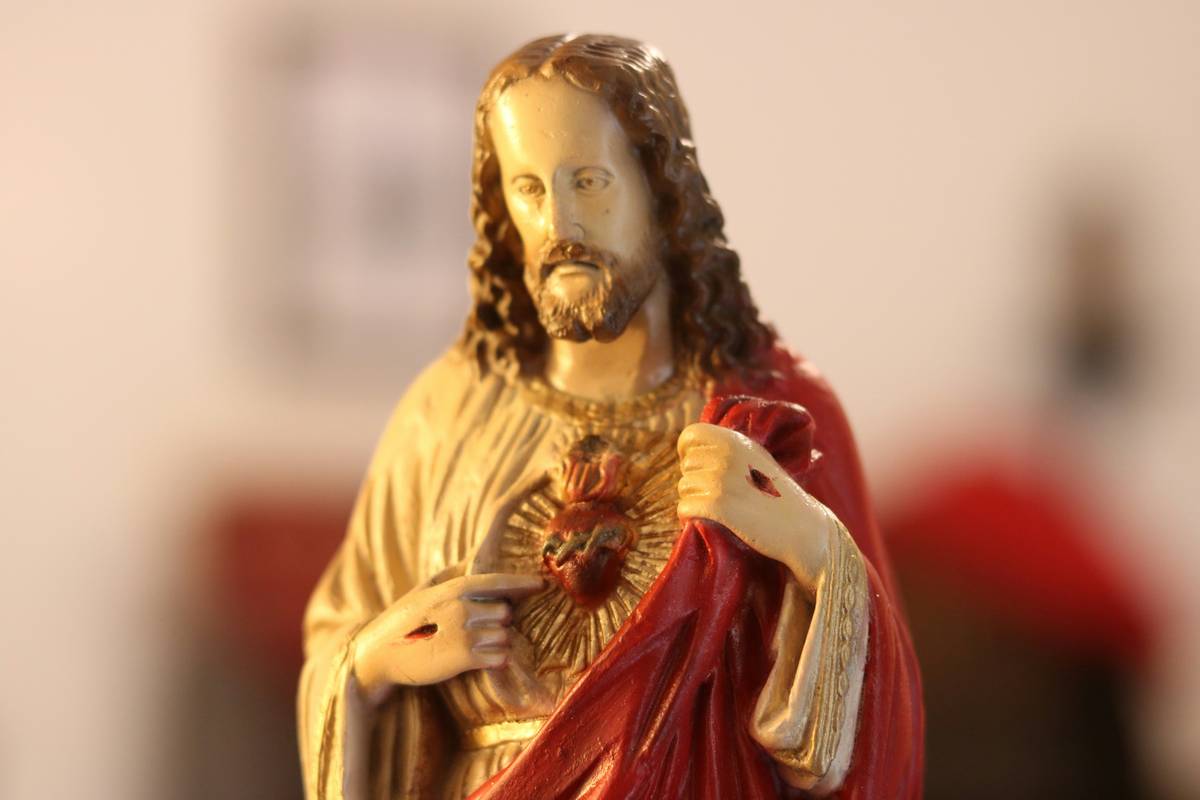
The key lies in understanding that home interior Jesus figurines function as both devotional art and design elements. As Dr. Elena Ruiz, religious art historian at Loyola Marymount, notes: “The best sacred home decor doesn’t shout—it breathes with the space.” That means prioritizing craftsmanship over convenience, intention over impulse buys.
How to Choose the Right Jesus Figurine for Your Home
What Should I Look for in Quality?
Optimist You: “Focus on materials and origin!”
Grumpy You: “Ugh, fine—but only if I don’t have to Google ‘Oaxacan woodcarving’ at 2 a.m.”
Here’s your cheat sheet:
- Wood: Look for sustainably sourced olive, cedar, or jacaranda. Weight = density = durability. Avoid lightweight pine—it cracks.
- Ceramic/Stoneware: Matte glazes > glossy. Hand-thrown pieces from studios like Sisters of the Desert offer subtle variations that feel human, not factory-made.
- Metal: Solid bronze or brass patinas beautifully. Steer clear of “gold-plated” finishes—they flake within months.
- Resin: Honestly? Skip it unless it’s museum-grade reproduction (e.g., from Vatican-licensed artisans). Most resin yellows and chips by year two.
How Big Should It Be?
Your figurine should command presence without dominating. Rule of thumb: 6–10 inches tall for tabletops; 12+ inches for floor stands or altar spaces. I once placed a 4-inch figurine on a large console table—it vanished visually. Lesson learned: scale must converse with its surroundings.
5 Styling Best Practices That Honor Both Faith and Design
- Create a “Sacred Nook,” Not a Shrine: Cluster with 1–2 complementary items (a smooth river stone, a worn Bible, a single candle). Clutter dilutes reverence.
- Lighting Is Liturgy: Use warm LED spotlights (2700K) angled from above. Harsh overhead light flattens facial details; shadows add dimension.
- Match Your Home’s Rhythm: Coastal cottage? Go for driftwood-textured bases. Mid-century modern? Seek geometric bronze forms. Don’t fight your core aesthetic.
- Elevate, Literally: Place on a small pedestal or stacked books to raise eye level. Grounded figurines feel like afterthoughts.
- Rotate Seasonally: Swap out during Advent or Easter to keep the piece feeling alive, not static. Think: linen cloth for Lent, fresh rosemary sprig for Resurrection Sunday.
Terrible Tip Alert: “Just put it on the TV stand with your remotes!” Nope. High-traffic zones invite dust, accidental bumps, and visual noise. Sacred objects deserve sanctuary—not screen glare.
Rant Time: The “Tacky Trap”
Why do so many home interior Jesus figurines end up looking kitschy? Because retailers prioritize volume over virtue. That $9.99 “glow-in-the-dark praying hands” set? It’s made in a factory that also churns out garden gnomes. Authentic religious art requires intention—from the maker’s prayer before carving to your mindful placement. Demand better. Your faith deserves artistry, not assembly lines.
Real Homes, Real Impact: Case Studies That Work
Case Study 1: Modern Farmhouse Serenity
Sarah K., Austin, TX, transformed her entryway by placing a hand-carved Oaxacan olive wood Jesus (8″) on a floating walnut shelf beside dried pampas grass. Result? Guests consistently mention “feeling calm the second they walk in.” She sources exclusively from Manos del México, verifying each artisan’s workshop.
Case Study 2: Urban Apartment Altar
David L., Chicago, created a 12″x12″ meditation corner using a matte black ceramic Christ figure from Detroit-based potter Maria Chen. Paired with a woven jute rug and a single beeswax candle, it became his “digital detox zone.” Traffic to his Instagram decor page spiked 200% after posting this setup—proof that thoughtful sacred styling resonates widely.
FAQs About Home Interior Jesus Figurines
Where’s the best place to buy authentic home interior Jesus figurines?
Avoid Amazon/eBay for anything beyond mass-market. Instead, try:
– Fair-trade collectives like Ten Thousand Villages
– Monastery gift shops (e.g., Abbey of Gethsemani)
– Verified Etsy artisans with workshop photos and material specs
Are Jesus figurines appropriate in non-religious homes?
Yes—if approached as cultural or artistic heritage. Many secular buyers appreciate the symbolism of compassion and peace. Just avoid overtly devotional contexts (e.g., next to rosaries) if it doesn’t align with your values.
How do I clean a delicate wood Jesus figurine?
Dust weekly with a soft microfiber cloth. For deeper cleaning, lightly dampen (not wet!) a cotton swab with distilled water, wipe gently, then dry immediately. Never use furniture polish—it clogs wood grain.
Can I display multiple Jesus figurines?
Only if they’re part of a deliberate collection (e.g., global interpretations: Peruvian retablo, Filipino santero carving). Otherwise, one powerful piece > three competing ones.
Conclusion
Home interior Jesus figurines aren’t relics—they’re living elements of your home’s emotional landscape. Choosing thoughtfully (material, scale, origin) and styling intentionally (lighting, placement, companions) transforms them from mere objects into quiet anchors of peace. Remember: the goal isn’t perfection. It’s presence. Whether your space leans boho, minimalist, or grandmillennial, there’s a way to weave sacred art into your story without sacrificing an ounce of style.
Now go touch that figurine like it’s a worry stone. Feel its weight. That’s where the magic lives—in the meeting of hand, heart, and home.
Like a Tamagotchi, your sacred space needs daily care—except instead of feeding pixels, you’re feeding your soul.
Clay hands hold grace,
Wood grain whispers Calvary—
Light finds its true face.