Most Indian homes treat animal figurines as afterthoughts—dusty tokens tucked on forgotten shelves. But here’s the problem: generic decor drains personality from your rooms. You spend hours choosing paint and furniture, yet settle for mass-produced trinkets with zero emotional resonance. The solution? Curated animal figurines that don’t just sit—they speak.
Why Off-the-Shelf Figurines Fail in Indian Homes
Big-box retailers push plastic tigers or ceramic elephants churned out by the thousands. They look “nice” until you realize they echo nothing of your story—or India’s rich artisanal legacy. And that’s the trap: convenience over character. These pieces lack texture, narrative, and the subtle imperfections that signal human hands, not factory molds.
Worse, they clash with regional aesthetics. A shiny resin peacock might scream “airport gift shop,” but won’t harmonize with a Kerala-style wooden console or a Rajasthani jharokha wall niche.
animal figurines home decor india: your step-by-step curation playbook
Forget shopping. Start collecting—with intention. Here’s how to build a display that feels lived-in, not staged.
Step 1: Match material to your home’s bones
Clay for earthy interiors. Brass for heritage homes. Wood for minimalists. Your base palette dictates everything.
Step 2: Prioritize local craftsmanship over brand names
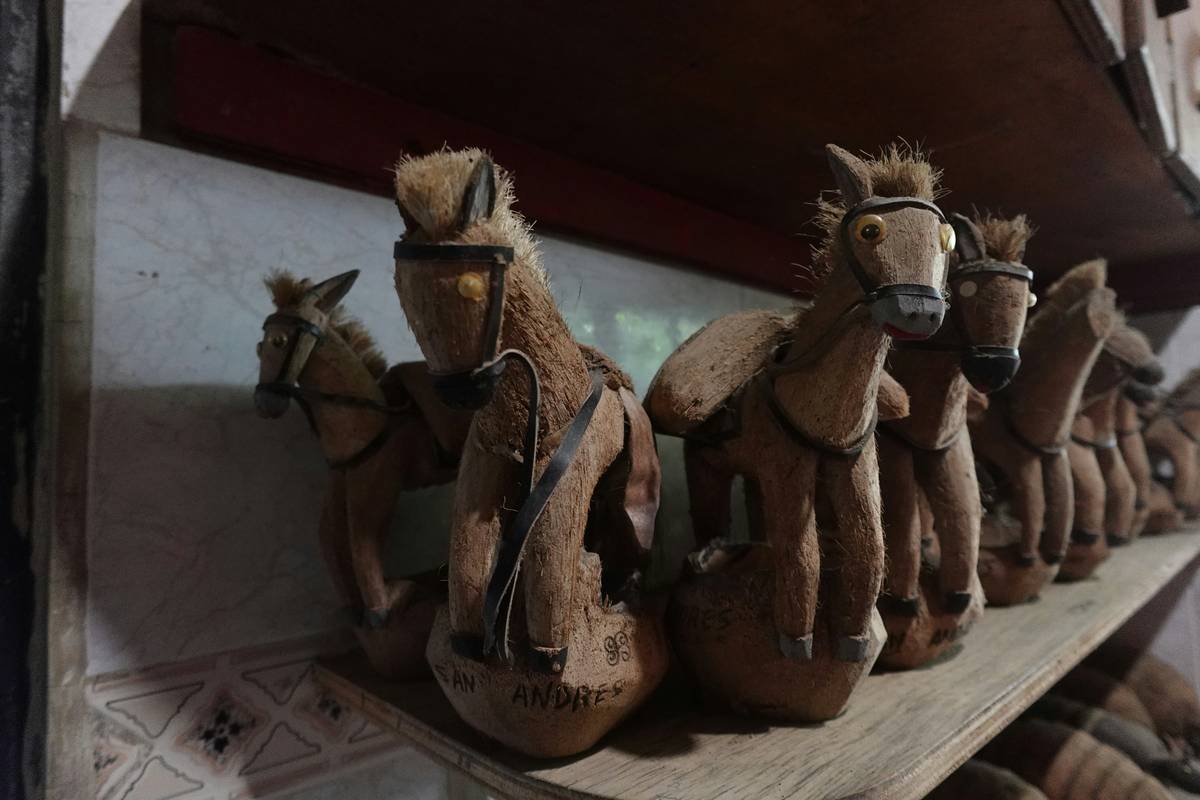
A terracotta horse from Bankura or a Dhokra bull from Chhattisgarh carries centuries of technique in its curves. That’s irreplaceable—and instantly elevates perceived value.
Step 3: Group by theme, not species
Don’t scatter random animals. Create a “spirit menagerie”—mythical creatures, farm animals, or totemic symbols. Coherence > variety.
| Material Type | Best For Indian Regions | Avg. Price Range (INR) | Longevity Tip |
|---|---|---|---|
| Terracotta | Bengal, Tamil Nadu, Gujarat | 200 – 1,500 | Keep away from direct sunlight—fades fast |
| Dhokra Metal | Jharkhand, Odisha, West Bengal | 800 – 4,000 | Polish lightly with lemon + salt, never water |
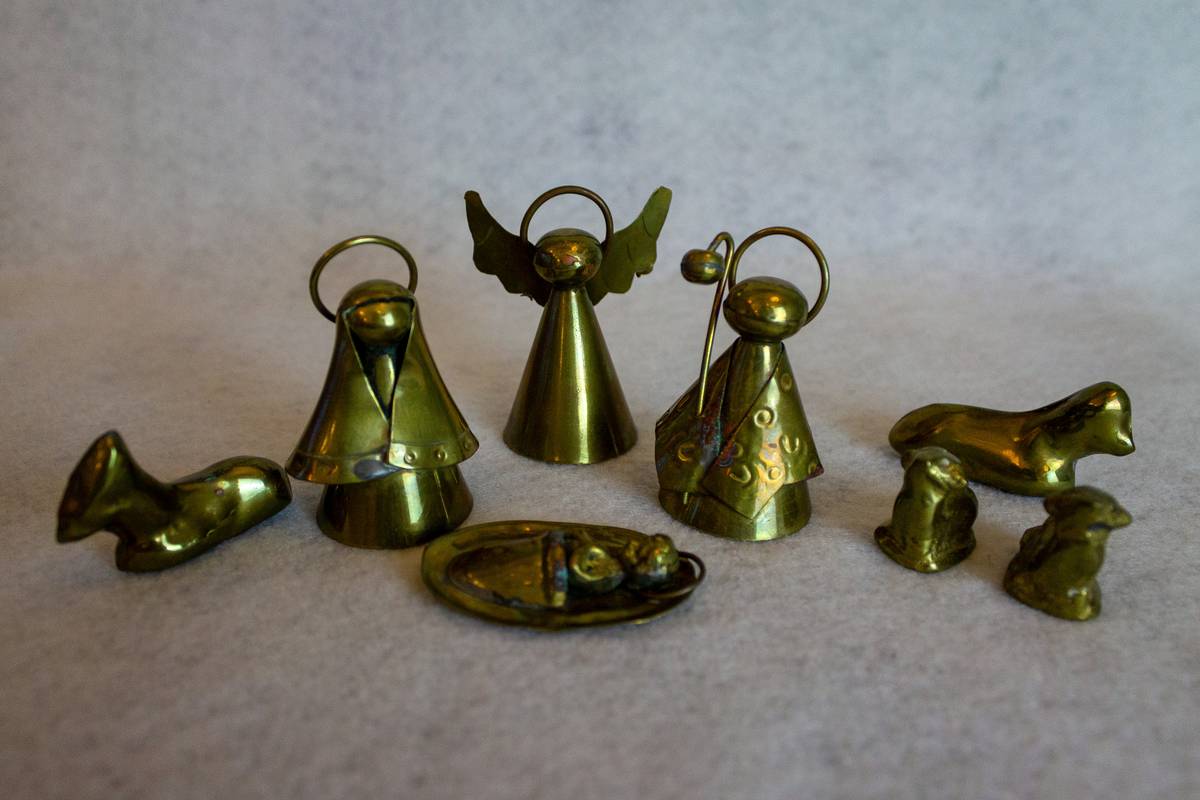
| Brass | Rajasthan, Karnataka, Uttar Pradesh | 600 – 3,500 | Store with chalk to prevent tarnishing |
| Wood (Sandal/Sheesham) | Karnataka, Himachal, Punjab | 400 – 2,500 | Wipe with dry cotton—oil builds grime |
The Industry Secret: Scale Matters More Than You Think
Here’s what galleries won’t tell you: oversized figurines dominate Instagram—but in real Indian homes, small is powerful. A 3-inch bronze mouse beside your reading lamp? That’s intimacy. It invites touch, inspection, storytelling. Large pieces demand visual dominance; tiny ones spark curiosity. And in compact urban apartments—Mumbai studios, Bangalore 1BHKs—micro-figurines create focal points without eating square footage. The math is simple: smaller = more versatile. You can rotate them seasonally, gift duplicates, or cluster three into one poetic statement. Big pieces? One misstep and your living room looks like a souvenir shop.
Frequently Asked Questions
Where to buy authentic animal figurines for home decor in India?
Focus on state emporiums (like Gurjari or Poompuhar), craft fairs (Dastkar, IHGF Delhi), or verified artisan platforms like Jaypore—not Amazon or generic décor sites.
Are animal figurines good for Vastu or Feng Shui?
Yes—if chosen symbolically. Elephants facing inward invite luck; owls guard knowledge; horses energize career corners. Avoid broken or aggressive poses.
How to clean delicate animal figurines without damage?
Use a soft makeup brush for dust. Never submerge porous materials (clay, unglazed ceramic). For metal, a microfiber cloth suffices—skip chemical cleaners.