Most homes feel flat—not because they lack furniture, but because they lack soul. Neutral palettes dominate to the point of sterility. And orange? It’s either ignored or misused as a garish afterthought. Here’s the fix: orange figurines for home decor—strategically placed, thoughtfully chosen—can inject warmth, energy, and personality without overwhelming your space.
The Core Problem: Why Most People Fail with Orange Accents
Orange gets sidelined because designers fear clashing tones or “dated” vibes. But the real issue isn’t the color—it’s scale and intention. Slapping a neon-orange vase on a beige shelf screams chaos, not cohesion. Yet remove all warm accents and your room reads cold, even if it’s technically “on trend.”
And here’s what no one admits: most mass-market decor uses synthetic orange dyes that fade fast or look plastic under natural light. You end up with figurines that cheapen your aesthetic instead of elevating it.
How to Style Orange Figurines for Home Decor Like a Pro
Forget rules. Think resonance. Your goal isn’t to match everything—but to create moments that make people pause and say, “I love that.”
Step 1: Choose the Right Shade of Orange
Terracotta, burnt sienna, peach, coral—these earthy oranges harmonize with wood tones and linen textiles. Avoid anything leaning into fluorescent unless you’re channeling 80s retro intentionally (and even then—sparingly).
Step 2: Mind the Material
Ceramic, bronze, resin with matte finish—these absorb light softly. Glossy plastics reflect harshly and scream discount bin. Real texture = real depth.
Step 3: Placement Dictates Impact
A single orange figurine centered on a bookshelf creates focus. Clustered with other warm-toned accessories? It becomes part of a curated story. But tucked in shadow? It disappears.
| Placement Zone | Ideal Figurine Type | Avoid | Impact Level |
|---|---|---|---|
| Entryway Console | Medium-sized ceramic orange figurine (abstract or animal form) | Overly detailed or tiny pieces | High—first impression anchor |
| Living Room Shelf | Matte-finish terracotta sculpture paired with books & greenery | Glossy or neon-orange items | Medium—adds warmth without dominating |
| Dining Table Centerpiece | Miniature burnt-orange metal figurines grouped asymmetrically | Solid blocks of orange or cartoonish shapes | Subtle—enhances mood during meals |
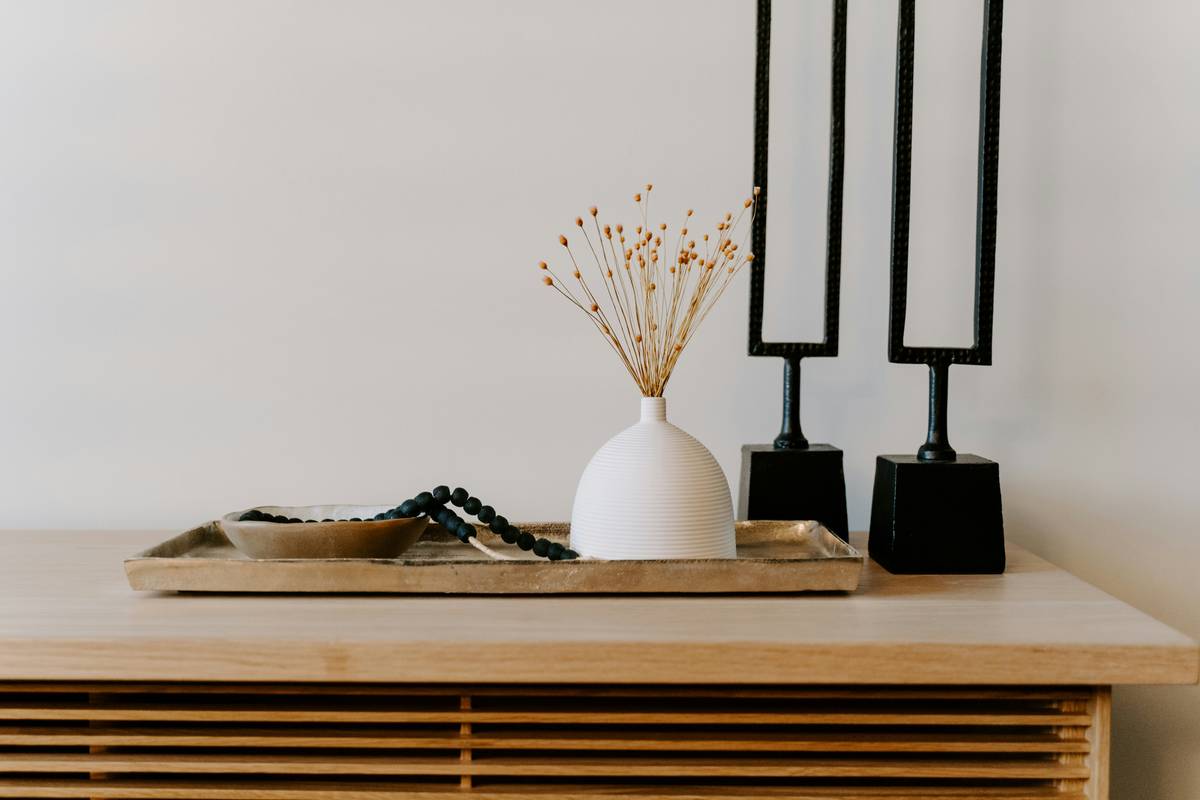
The Industry Secret: Orange Figurines Work Best When They’re “Off-Center”
Top interior stylists rarely center an orange figurine. Instead, they place it slightly off-axis—next to a stack of coffee table books, beside a trailing pothos plant, or just outside the main sightline of a mirror. This creates subtle tension. Your eye catches it, lingers, then returns. That micro-moment of discovery builds emotional connection far more than perfect symmetry ever could.
Think about it: perfection feels staged. Slight imbalance feels human. And humans crave humanity—even in their decor.
Frequently Asked Questions
Do orange figurines for home decor go with gray walls?
Absolutely—if you choose muted oranges like rust or ochre. Gray is a neutral canvas; warm accents prevent it from feeling clinical.
Where can I buy high-quality orange figurines?
Look beyond big-box stores. Independent ceramicists on Etsy, local artisan markets, or vintage shops often carry unique, hand-glazed pieces with authentic depth.
Can I use multiple orange figurines in one room?
Yes—but vary size and material. One large ceramic piece plus two small matte-metal ones creates rhythm. Identical multiples feel repetitive, not intentional.