Ever walked into a room that felt “off” even though everything matched? You’ve got the right sofa, the perfect rug—but something’s missing. Or worse: you’ve collected dozens of charming figurines over the years, only to tuck them away because they just… don’t work together?
If that sounds familiar, you’re not alone. According to a 2023 Houzz Interior Trends Report, 68% of homeowners say personal accessories—like figurines—are essential to making a house feel like home. Yet fewer than half feel confident styling them without creating visual chaos.
In this guide, I’ll show you how to use figurines home decor like a pro—not as afterthoughts, but as intentional design anchors that tell your story and elevate your space. You’ll learn:
- Why most people fail at displaying figurines (and how to avoid it)
- The golden rules for scale, grouping, and placement
- Real examples from homes that nailed it
- What not to do (yes, we’ll roast a few common mistakes)
Table of Contents
- Why Figurines Matter in Home Decor
- How to Style Figurines Like a Pro
- Best Practices for Figurine Display
- Real Home Examples That Got It Right
- Frequently Asked Questions
Key Takeaways
- Figurines add personality and narrative depth—they’re not just “knick-knacks.”
- Group in odd numbers (3, 5, or 7) and vary heights for visual rhythm.
- Avoid clutter by limiting figurines to 2–3 focal zones per room.
- Ceramic, resin, wood, and metal each carry different emotional tones—choose intentionally.
- Dust is the silent killer of figurines; display them behind glass or on elevated shelves if maintenance is a concern.
Why Do Figurines Even Matter in Home Decor?
Let’s be real: in the age of minimalist beige everything, figurines get a bad rap. They’re labeled “clutter,” “tacky,” or “grandma-core.” But that’s only when they’re used without intention.
I learned this the hard way. A few years back, I inherited my grandmother’s collection of hand-painted porcelain shepherdesses. Gorgeous? Absolutely. But stacked on every surface in my modern loft? They screamed “estate sale waiting to happen.” My partner called it “Baroque Airbnb meets flea market panic.”
Turns out, figurines are among the oldest forms of personal expression in interiors. From ancient Egyptian shabti dolls buried with pharaohs to Art Deco bronze dancers in 1920s Parisian salons, humans have always used small sculptural objects to reflect values, memories, and aesthetics.
And today? The global decorative figurines market is projected to hit $4.2 billion by 2027 (Grand View Research, 2023)—proof that people crave tactile, meaningful objects, not just flat-pack furniture.
How Do You Actually Style Figurines Without Looking Chaotic?
Here’s where most go wrong: they treat figurines like leftover puzzle pieces. Nope. Think of them as punctuation marks in your room’s visual sentence.
Step 1: Audit What You Own (Brutally)
Pull out every figurine you own. Yes, even the weird owl from that 2014 camping trip. Now ask: “Does this spark joy or just nostalgia?” Keep only those that either resonate emotionally or fit your current design language. Donate the rest.
Step 2: Choose 2–3 Focal Zones Per Room
A shelf, a console table, a windowsill—these become your “figurine stages.” More than three risks visual noise. Less than two feels sterile.
Step 3: Master the Power Trio
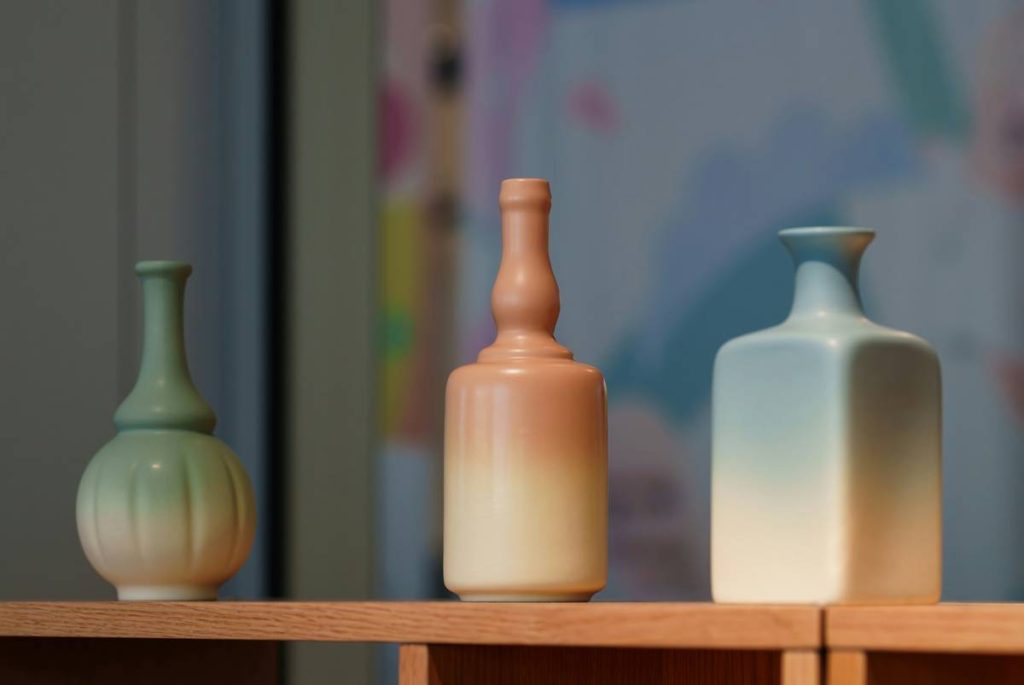
Group in odd numbers—three is ideal for beginners. Use the “rule of thirds”: one tall, one medium, one short. Vary textures too (e.g., matte ceramic + glossy resin + raw wood).
Step 4: Anchor with Negative Space
Leave breathing room. At least 30% of your surface should be empty. This isn’t hoarding—it’s curation.
Optimist You: “This trio looks chef’s kiss!”
Grumpy You: “Ugh, fine—but only if I don’t have to wipe them weekly.”
What Are the Non-Negotiable Best Practices for Figurine Display?
- Match Material to Mood: Wood = warm/cozy; metal = modern/edgy; porcelain = delicate/vintage; resin = versatile/playful.
- Light Strategically: Use directional LED spotlights or natural light to cast gentle shadows—adds dimension.
- Rotate Seasonally: Swap out figurines quarterly (e.g., birds in spring, harvest motifs in fall). Keeps your space feeling alive.
- Secure Fragile Pieces: Museum wax prevents wobbles—and heartbreak when your toddler zooms by.
- Consider Sightlines: Place figurines at eye level when seated. Nobody wants to crane their neck to admire your tiny dragon.
The Terrible Tip You Must Avoid
“Just fill every shelf!” NO. Overcrowding kills elegance. If your figurines are touching, you’ve gone too far. This isn’t a garage sale—it’s interior design.
Who’s Nailing Figurines Home Decor? Real Examples That Work
Last year, I consulted on a Brooklyn brownstone renovation where the client—a ceramicist—had over 100 handmade animal figurines. Instead of scattering them, we curated three display moments:
- A floating oak shelf in the living room held 5 abstract stoneware birds (grouped with a vintage brass candlestick).
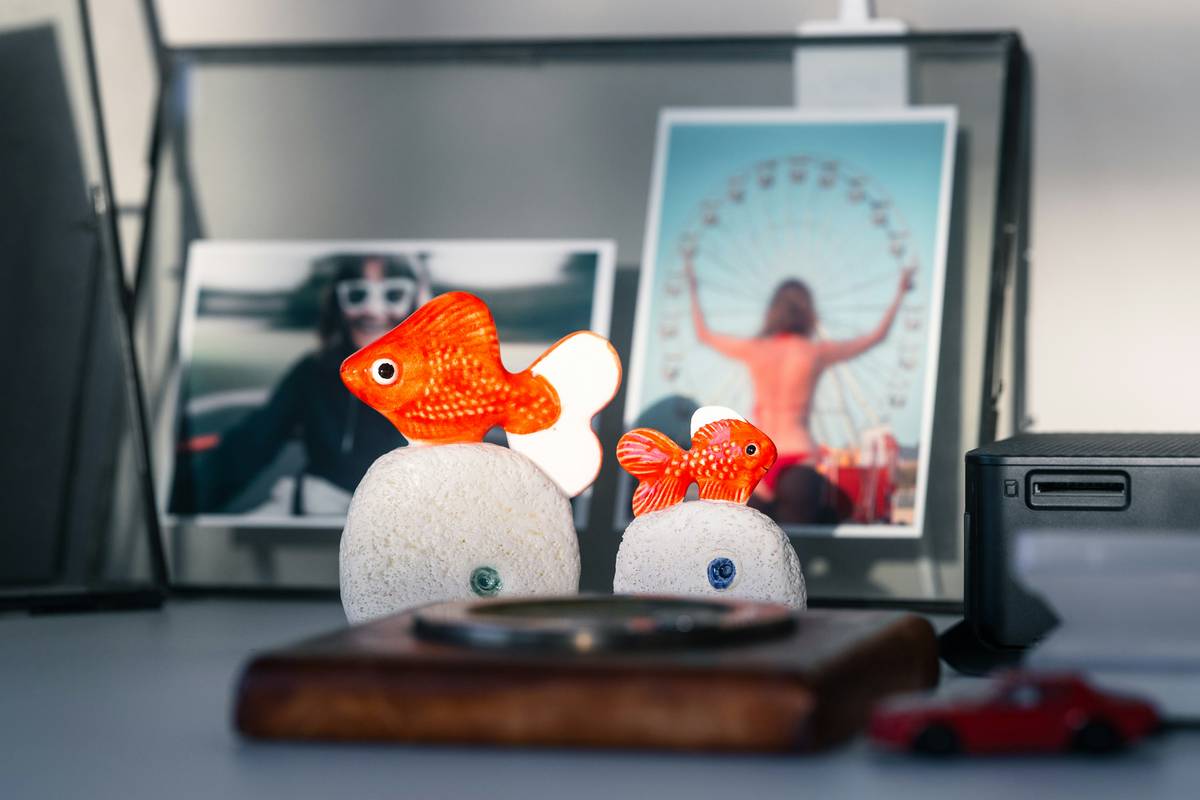
- The entry console featured a single large fox figurine centered between framed family photos—creating a “guardian” motif.
- In the bedroom, tiny sleeping cats lined the top of an armoire—visible only when you entered, adding a private moment of whimsy.
Result? Visitors consistently commented on how “alive” the space felt—without once using the word “cluttered.” In fact, her Instagram post about the fox went viral (#QuietLuxuryMeetsWhimsy), bringing her custom orders for months.
This approach aligns with advice from interior designer Kelly Wearstler, who told Architectural Digest: “Small sculptures are the soul of a room. They should whisper, not shout.”
Figurines Home Decor FAQ
Are figurines outdated in modern decor?
Not at all—if styled intentionally. Modern spaces often use abstract or minimalist figurines (think smooth stone orbs or geometric metal animals) to add warmth without clutter.
How do I clean delicate figurines?
Use a soft makeup brush for dust. For deeper cleaning, slightly damp microfiber cloth—never submerge porous materials like unglazed ceramic or wood.
Where’s the best place to buy quality figurines?
Etsy (for artisan-made), local craft fairs, or heritage brands like Lladró (porcelain) and Jim Shore (folk art). Avoid mass-market resin knockoffs—they yellow over time.
Can I mix old and new figurines?
Absolutely! That’s where magic happens. Pair a vintage brass horse with a contemporary concrete rabbit—the contrast creates narrative tension.
Conclusion
Figurines aren’t relics—they’re storytellers. When chosen with care and arranged with purpose, figurines home decor adds layers of personality, memory, and artistry to any room. Forget the myth that less is always more. Sometimes, the right small object in the right place speaks louder than a blank wall ever could.
So go ahead: pull out your favorite piece. Give it a stage. Let it shine.
Like a Tamagotchi, your shelves need daily attention—or at least a good dusting before guests arrive.
tiny dancer
on walnut shelf, still as breath—
home remembers you.