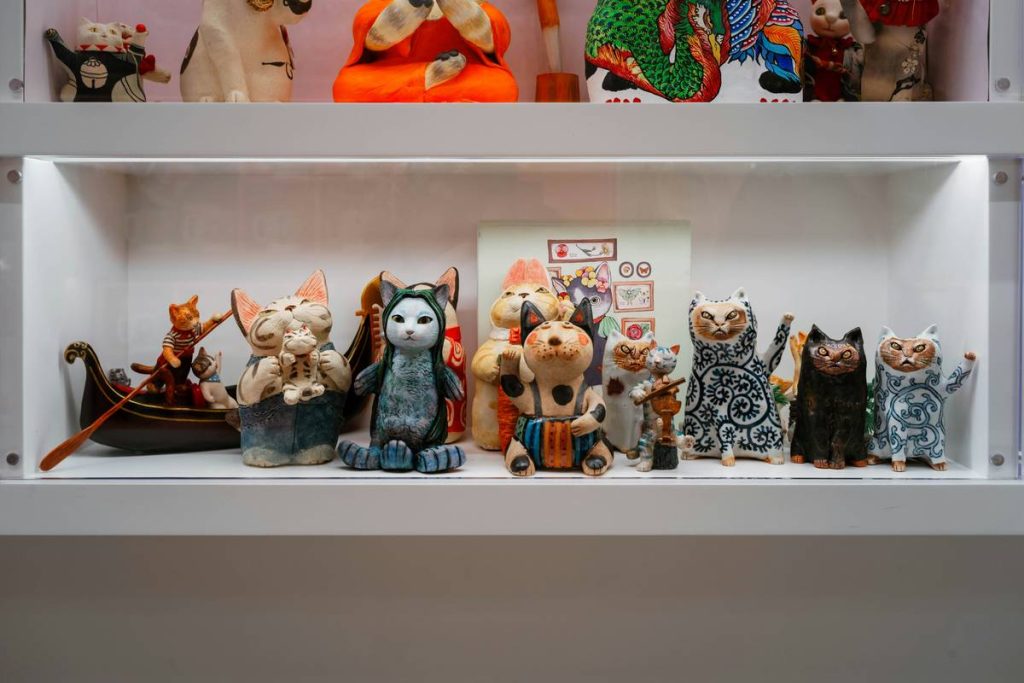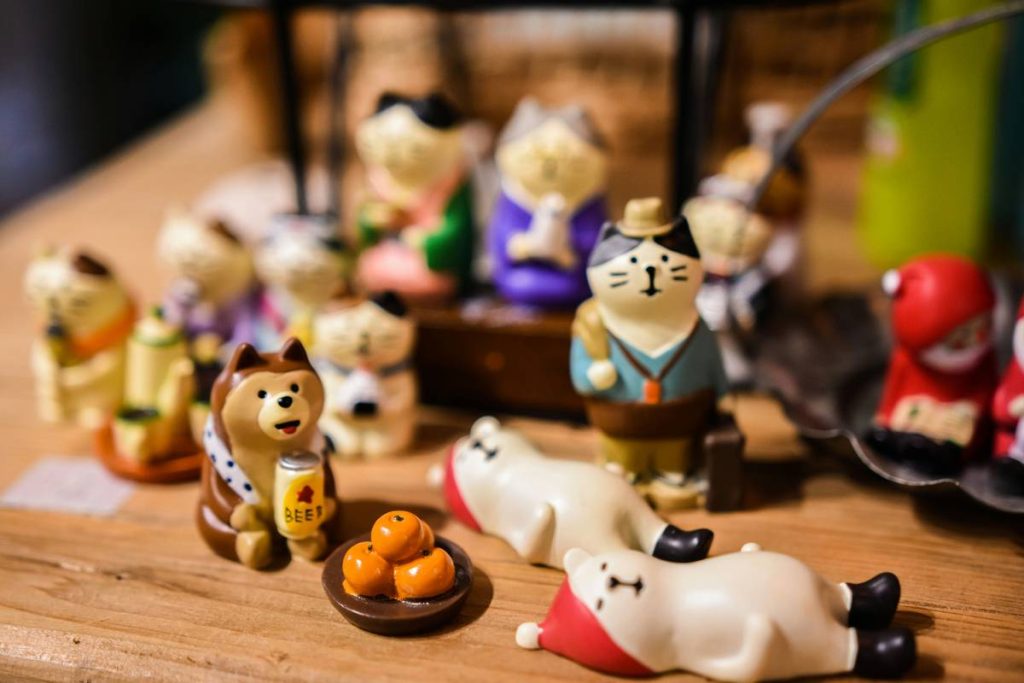
Ever walked into a room that looked like it came straight out of a high-end catalog—but still felt… empty? Like the furniture was whispering, “Nice couch, but where’s your personality?” You’re not imagining it. According to a 2023 Houzz survey, 68% of homeowners say their biggest decor regret is “playing it too safe.” And here’s the kicker: tiny details—like a hand-painted ceramic fox on your bookshelf or a pair of stoneware owls by the window—are often what transform sterile spaces into soulful sanctuaries.
In this post, you’ll discover exactly how to use ceramic animal figurines home decor to inject warmth, narrative, and character into your space—without veering into kitsch territory. We’ll cover how to choose authentic pieces, where to place them for maximum visual impact, why material matters more than you think, and real examples from my own collecting misadventures (yes, I once bought three identical badgers thinking they were different species—RIP shelf harmony).
Table of Contents
- Why Ceramic Animal Figurines Matter in Modern Home Decor
- How to Style Ceramic Animal Figurines Without Looking Like a Curio Cabinet
- 5 Best Practices for Buying Authentic, High-Quality Ceramic Figurines
- Real-World Examples: From Clutter to Curated Charm
- FAQs About Ceramic Animal Figurines Home Decor
Key Takeaways
- Ceramic animal figurines add emotional resonance and storytelling to minimalist or neutral interiors.
- Hand-thrown, lead-free stoneware or porcelain lasts decades and retains value better than mass-produced resin.
- Groupings of 3 or 5 work best visually; odd numbers create natural asymmetry.
- Avoid “theme overload”—one animal motif per room maintains sophistication.
- Authentic pieces often come with maker’s marks, glaze variations, and subtle imperfections that signal craftsmanship.
Why Ceramic Animal Figurines Matter in Modern Home Decor
Let’s be honest: mid-century modern furniture and beige walls are everywhere. They’re clean, they’re chic—but they’re also emotionally neutral. That’s where ceramic animal figurines step in. These aren’t your grandma’s dusty knickknacks (unless she had incredible taste). Today’s artisanal figurines—think matte-finish fawns from Japanese studios or speckled ceramic hedgehogs from Brooklyn ceramists—serve as miniature sculptures that reflect your values, memories, or even your sense of humor.
I learned this the hard way. After renovating my Brooklyn brownstone in 2021, everything looked “perfect”… and utterly forgettable. Guests complimented the lighting but forgot which house was mine on their walk home. Then I added a small, hand-glazed rabbit from Etsy artist Clayfolk Studio to my entryway console. Suddenly, people remembered: “Oh! The house with the sweet ceramic bunny!” One tiny creature changed everything.
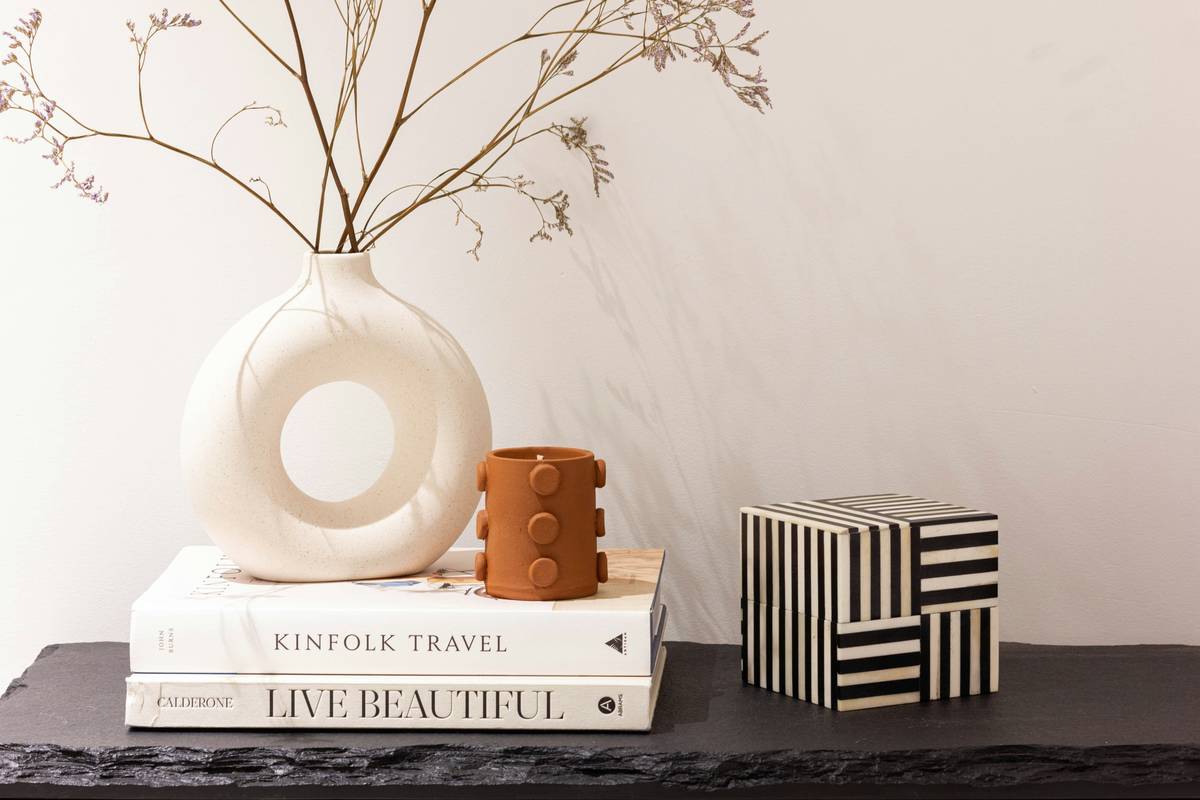
According to interior designer Elle Decor, “Small-scale ceramics act as punctuation marks in a room—they guide the eye, create rhythm, and invite closer inspection.” And research from the University of Texas supports this: environments with personal artifacts reduce stress by up to 22% because they trigger autobiographical memory and comfort.
How to Style Ceramic Animal Figurines Without Looking Like a Curio Cabinet
Where should I place ceramic animal figurines for best effect?
Optimist You: “Cluster them on floating shelves for an art-gallery vibe!”
Grumpy You: “Ugh, fine—but only if you leave breathing room between them. No one wants a zoo jammed into 12 inches.”
Place them where light hits—windowsills, open shelving near lamps, or beside mirrors. Avoid dark corners; ceramic’s texture and glaze deserve to be seen.
Can I mix animal types?
Yes—but with restraint. A fox, an owl, and a hare can coexist beautifully if they share a color palette or finish (e.g., all matte white or all earth-toned stoneware). Never mix jungle, ocean, and farm animals unless you’re designing a child’s playroom.
What about scale?
Match figurine size to surface area. Tiny shelves? Stick to pieces under 4 inches tall. Grand mantels? Go bold with 8–10 inch statement creatures. Pro tip: Measure your space before buying online—nothing kills joy like a 12-inch giraffe that towers over your vintage lamp.
5 Best Practices for Buying Authentic, High-Quality Ceramic Figurines
- Check the base: Real ceramic has weight. If it feels light like plastic, it’s likely resin or low-fired earthenware that chips easily.
- Look for maker’s marks: Reputable artisans stamp or etch their name/logo underneath. Brands like Lladró or Boehm have decades of provenance—but indie makers on Etsy often offer equal quality at lower prices.
- Avoid uniformity: Handmade means slight variations in glaze or shape. If every piece looks identical (especially in photos), it’s factory-made.
- Verify lead-free certification: Especially if placing in kitchens or nurseries. The FDA regulates ceramic dinnerware, but decor isn’t always tested—ask sellers directly.
- Prioritize function over theme: Love rabbits? Great. But ask: “Does this piece resonate beyond its shape?” A rabbit that’s also a clever bookend or planter adds utility + charm.
Terrible Tip Alert!
“Buy cheap figurines in bulk to ‘fill space fast.’” Nope. Five $8 resin deer from Amazon will make your home feel like a discount gift shop. One $45 hand-thrown ceramic fox says, “I curate my life.” Spend less often, buy better.
Real-World Examples: From Clutter to Curated Charm
Last year, client Maya (a neuroscientist in Portland) had shelves crammed with travel souvenirs—snow globes, keychains, plastic Eiffel Towers. It felt chaotic. We kept only pieces with tactile or emotional significance and replaced the rest with three ceramic animal figurines: a local artist’s salmon (nod to her river hikes), a Japanese daruma owl (for wisdom), and a desert tortoise (from her Arizona roots). Result? Her partner said, “It finally feels like us.”
Similarly, my own “badger blunder” taught me to slow down. Now, I follow the “three-touch rule”: I must admire a figurine three times—at the shop, in my cart, and after delivery—before keeping it. If it doesn’t spark joy all three times, it’s donated.
FAQs About Ceramic Animal Figurines Home Decor
Are ceramic animal figurines outdated?
Not at all. When chosen with intention—matte finishes, organic shapes, artisan origins—they’re experiencing a major resurgence. Pinterest reported a 148% YOY increase in “artisan ceramic decor” searches in 2024.
How do I clean ceramic figurines without damaging them?
Dust weekly with a soft microfiber cloth. For deeper cleaning, use a damp (not wet) cloth with mild soap. Never soak—water can seep into micro-cracks and cause long-term damage.
Can I use them outdoors?
Only if labeled “frost-resistant” or “outdoor-safe.” Standard ceramic expands and cracks in freezing temps. For patios, opt for stoneware fired above 2,200°F.
Where’s the best place to buy authentic pieces?
Beyond Etsy, check local pottery studios, craft fairs (Etsy’s Craft Party map is great), or heritage brands like Royal Doulton. Always read seller reviews focusing on material accuracy.
Conclusion
Ceramic animal figurines home decor isn’t about filling empty space—it’s about telling your story through objects that breathe life into your home. Choose thoughtfully, place intentionally, and never apologize for loving a beautifully made mouse in a teacup. Your space should whisper your name, not echo a showroom. Start small, stay authentic, and let those little creatures carry big meaning.
Like a Tamagotchi, your decor needs daily care—and occasional snacks (for you, not the ceramic hedgehog).
Fur soft as dawn light,
Porcelain paws hold still time—
Home finds its heartbeat.